
Valve Bag and Biodegradable Woven Bags have become important components in industrial packaging systems where efficiency, durability, and environmental considerations must be balanced. Industries handling bulk materials such as cement, chemicals, fertilizers, and agricultural products rely on packaging systems that can support high-volume operations while maintaining material stability.
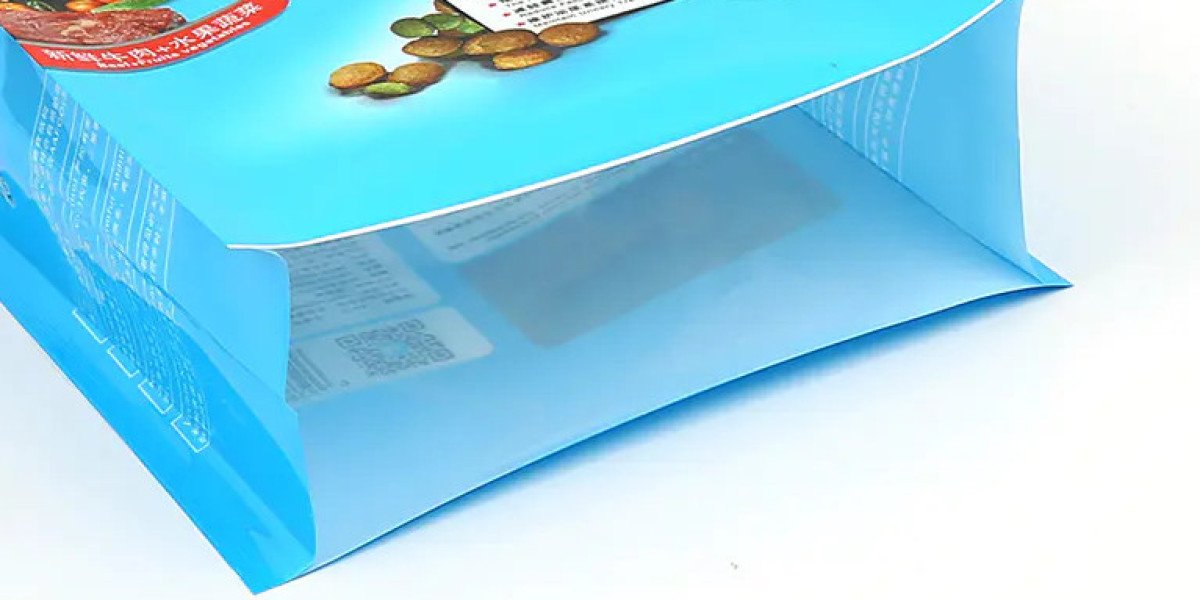
One of the key challenges in bulk packaging is reducing operational inefficiency during filling and sealing processes. Traditional packaging methods often require manual handling after filling, which increases labor time and may lead to inconsistent sealing quality. Valve Bag systems address this issue by enabling direct filling through a built-in valve structure that closes automatically after use.
Filling speed is an important performance metric in industrial environments. Depending on equipment configuration, Valve Bag systems can achieve filling rates between 250 and 1000 bags per hour. This efficiency supports continuous production lines and helps reduce downtime in high-output manufacturing facilities.
Dust control is another critical factor in powder-based material packaging. Cement, lime, and similar materials can generate significant dust during transfer. Valve Bag designs help reduce dust emission by controlling material flow during filling and limiting open exposure, improving both workplace cleanliness and product retention.
Biodegradable Woven Bags are becoming increasingly relevant due to global environmental concerns. Traditional woven plastic bags can persist in landfills for extended periods, contributing to long-term environmental accumulation. Biodegradable alternatives aim to reduce this impact by using materials that decompose more efficiently under specific environmental conditions.
Material engineering plays a central role in biodegradable packaging development. Manufacturers often use blended fiber systems that combine natural plant-based materials with biodegradable polymers. This helps maintain mechanical strength while improving decomposition behavior over time.
A major challenge is maintaining durability during transport and storage. Industrial packaging must withstand stacking pressures that may exceed 20–60 kg per bag depending on product density and warehouse configuration. If material strength is insufficient, deformation or tearing may occur during handling.
Valve Bag systems help improve structural stability by ensuring more uniform internal filling. Reduced air pockets inside the bag improve shape consistency and enhance stacking performance during pallet storage and transportation.
Biodegradable Woven Bags also require careful material balance to manage moisture sensitivity. Humidity exposure can influence both mechanical strength and decomposition speed. Manufacturers often apply surface treatments or adjust fiber composition to improve resistance to environmental fluctuations.
Automation in packaging systems has increased demand for standardized bag dimensions and consistent valve structures. Automated filling machines rely on precise specifications to maintain stable production flow. Even minor variations in valve alignment can affect filling accuracy and efficiency.
Environmental regulations continue to influence packaging material innovation. Many industries are encouraged or required to reduce plastic waste and adopt more sustainable packaging solutions. This has accelerated research and adoption of biodegradable woven materials across multiple sectors.
Cost considerations remain important for large-scale industrial buyers. While biodegradable materials may have higher production costs compared to conventional options, long-term environmental compliance and waste management requirements often influence purchasing decisions.
Valve Bag systems also contribute to improved logistics efficiency. Compact filling reduces volume variability, allowing more stable stacking and optimized container utilization during transport. This improves supply chain efficiency across long-distance shipping routes.
Biodegradable Woven Bags are now being applied across different industries including agriculture, construction, and food packaging. Each application requires specific performance characteristics such as tensile strength, moisture resistance, and load stability.
Manufacturers are increasingly focusing on balancing operational efficiency with sustainability goals. Valve Bag systems improve productivity and reduce material loss, while Biodegradable Woven Bags address environmental impact concerns. Together, they represent key directions in modern industrial packaging innovation, reflecting the ongoing transformation of global supply chain requirements.