
In modern heavy industry,Engineering Machinery Castings form the structural foundation of equipment used in demanding environments, and with support from platforms like chinahzjx that connect production knowledge with application needs, manufacturers continue to refine processes, but what are the most common defects and how can they be effectively reduced?
Casting defects can arise from multiple factors, including material properties, mold design, and process control. Among the most frequently encountered issues are porosity, shrinkage cavities, and inclusions. Porosity often results from trapped gases during solidification, creating small voids that can weaken the internal structure. Shrinkage cavities occur when molten metal fails to compensate for volume reduction as it cools, leading to internal gaps that affect mechanical strength. Inclusions, which consist of unwanted particles embedded within the material, may originate from impurities or insufficient cleaning during the melting process.
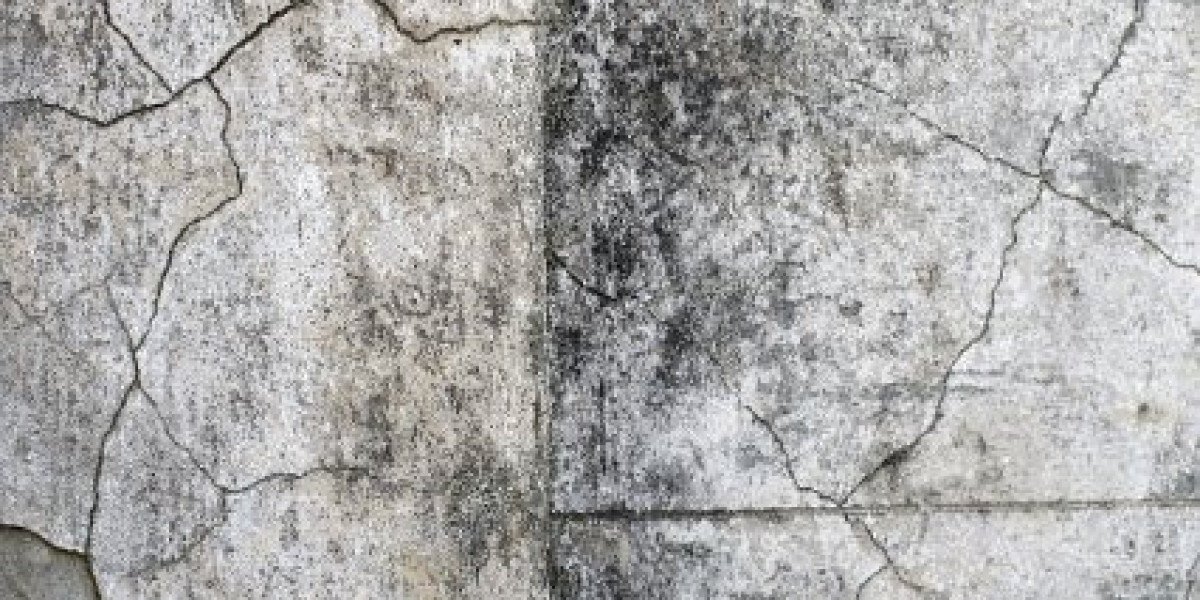
Surface defects also represent a significant concern in casting production. Irregularities such as cracks, sand adhesion, or rough finishes can compromise both appearance and functionality. These issues are often linked to improper mold preparation or inconsistent temperature control during pouring. Achieving a smooth and stable surface requires careful coordination between material flow and mold integrity, ensuring that the casting forms evenly without disruption.
Dimensional inaccuracies present another challenge, particularly in components that require precise tolerances. Variations in mold alignment, thermal expansion, or cooling rates can lead to deviations from intended specifications. Such discrepancies may require additional machining or adjustment, increasing production complexity. Maintaining dimensional consistency depends on accurate mold design and controlled process parameters throughout the casting cycle.
Reducing these defects begins with improving material quality and preparation. Proper control of chemical composition and melting conditions helps minimize impurities and gas formation. Degassing techniques and filtration systems can further enhance material purity, reducing the likelihood of internal flaws. By ensuring that the molten metal enters the mold in an optimal state, manufacturers can significantly improve final product integrity.
Mold design optimization also plays a critical role in defect reduction. Well-designed gating and riser systems promote smooth metal flow and compensate for shrinkage during solidification. Uniform mold structure helps distribute heat evenly, preventing localized stress and reducing the risk of cracking. Advanced simulation tools are increasingly used to predict potential defects before production begins, allowing adjustments to be made in advance.
Process control is equally important in maintaining casting quality. Monitoring temperature, pouring speed, and cooling conditions ensures that each stage of production remains stable. Consistency in these parameters reduces variation and supports repeatable results across production cycles. Skilled operation combined with modern equipment allows manufacturers to maintain a controlled environment where defects are minimized.
In addition, post-casting treatments such as heat processing and surface finishing contribute to overall quality improvement. These steps enhance mechanical properties and remove minor imperfections, ensuring that components meet operational requirements. By integrating these treatments into the production workflow, manufacturers can achieve a balance between efficiency and reliability.
For companies seeking dependable casting solutions, combining technical expertise with practical production experience remains essential, and https://www.chinahzjx.com/news/industry-news/how-to-choose-engineering-machinery-castings.html provides valuable guidance on aligning casting processes with industrial requirements, supporting applications that demand consistent structural performance under challenging conditions.
Ultimately, reducing defects in casting production is not the result of a single adjustment but a continuous refinement of materials, design, and process control. As industrial demands evolve, manufacturers who focus on stability and precision will continue to shape the future of casting technology, ensuring that each component performs reliably throughout its service life.