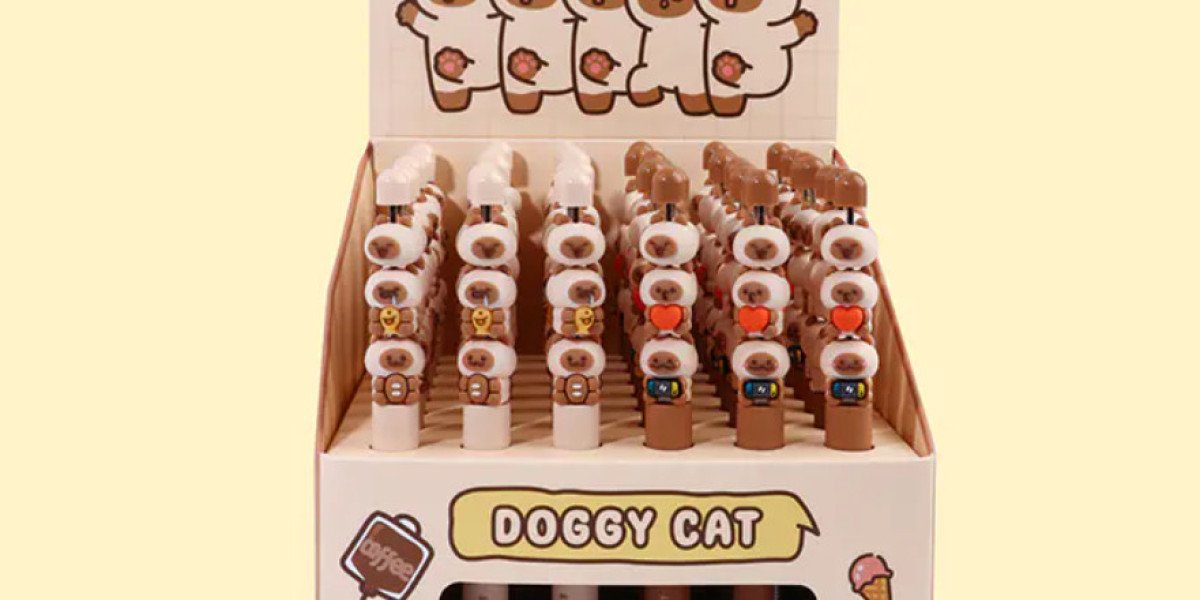

Creative Stationery and Stylish Gel Pen product development increasingly depend on material innovation, especially as user expectations shift toward more comfortable and visually refined writing tools. A common issue in traditional gel pen production is the limited exploration of material combinations, which often results in similar texture, weight, and grip feel across different brands.
This matters because writing experience is directly affected by physical interaction between hand and pen surface. Even small differences in barrel thickness or grip elasticity can influence writing endurance. In educational and office environments where extended writing is common, these differences become noticeable in user preference and repeat purchasing behavior.
One of the most widely used materials in gel pen manufacturing is ABS plastic, known for its stability and molding precision. However, creative stationery trends have encouraged manufacturers to combine ABS with softer materials such as TPR or silicone-based grips. This combination improves finger comfort during long writing sessions by reducing localized pressure points.
Stylish gel pen design also incorporates surface treatment innovations. Matte coatings, frosted finishes, and soft-touch textures are increasingly applied to pen barrels. These finishes do more than improve appearance; they also help control slippage during writing, especially in humid environments or during fast note-taking situations.
Ink cartridge housing design is another area influenced by material engineering. Transparent or semi-transparent barrel sections are often used to allow ink level visibility. This design feature helps users track usage more efficiently, reducing the chance of running out of ink unexpectedly during study or work tasks.
In OEM manufacturing, material selection is closely tied to cost structure and production efficiency. While premium materials may improve tactile experience, they must still remain compatible with high-volume injection molding processes. Manufacturers often conduct multiple rounds of testing to balance durability, flexibility, and production speed.
Creative stationery requirements also influence structural segmentation within the pen body. Some stylish gel pens now feature dual-material construction, where the grip section uses a softer compound while the upper barrel remains rigid. This design improves ergonomics without increasing production complexity significantly.
Another emerging trend is lightweight structural optimization. Reducing overall pen weight without compromising durability has become a design goal, particularly for student-oriented products. Lighter pens reduce writing fatigue, especially during exam preparation or long note-taking sessions.
Surface printing technology also plays a role in material innovation. Advanced pad printing and UV coating techniques allow detailed patterns, gradients, and branding elements to be applied directly onto pen surfaces. These processes must be compatible with base materials to ensure long-term adhesion and resistance to fading.
Environmental considerations are gradually influencing material choices as well. Some manufacturers are exploring biodegradable plastic alternatives or recycled polymer blends. While adoption is still limited due to cost and performance constraints, the direction reflects increasing awareness in stationery supply chains.