
Material selection forms the foundation of tool performance. A durable Automotive Repair Socket included in a Specialty Tool Set must withstand repeated mechanical stress, exposure to chemicals, and varying environmental conditions. The choice of material, combined with appropriate processing techniques, determines how well a tool performs over time.
Chromium-vanadium steel is one of the most commonly used materials in socket manufacturing. This alloy provides a balance between strength and toughness, making it suitable for general repair applications. Its ability to resist deformation under torque helps maintain consistent performance during repeated use. For applications involving higher impact forces, chromium-molybdenum steel is often used due to its enhanced toughness.
Heat treatment is a critical step in improving material properties. Processes such as quenching and tempering increase hardness while maintaining flexibility. Without proper heat treatment, tools may become either too brittle or too soft. A brittle tool can crack under load, while a soft tool may deform easily. Controlled heat treatment ensures that the material achieves the desired balance between strength and durability.
Surface hardening techniques are also applied to improve wear resistance. Induction hardening, for example, strengthens specific areas of the tool that experience the most stress. This targeted approach allows the rest of the tool to retain flexibility, reducing the risk of sudden failure. Surface treatments help extend the service life of tools, especially in high-frequency usage environments.
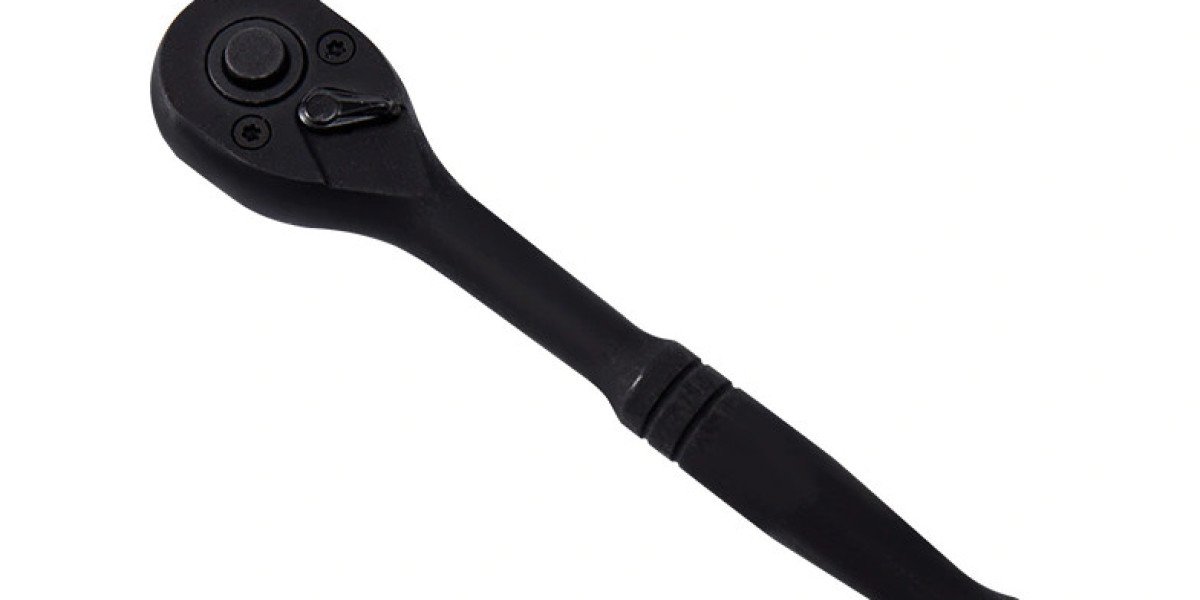
Coatings play an additional role in protecting tools. Chrome plating is widely used to prevent corrosion and improve appearance. Black oxide coatings, often applied to impact tools, provide a non-reflective surface that resists rust. Each coating type serves a different purpose, and the choice depends on the intended application and working conditions.
Material consistency is another factor that influences performance. Variations in alloy composition can lead to inconsistent results. Manufacturers often implement strict quality control processes to ensure that raw materials meet specific standards. Consistency in material properties supports predictable tool behavior, which is important for professional use.
Weight considerations are also linked to material choice. High-density materials provide strength but may increase tool weight. Lightweight alloys can reduce fatigue but must be engineered carefully to maintain durability. Balancing these factors helps create tools that are both strong and comfortable to use.
Environmental resistance is increasingly important. Tools used in automotive repair are often exposed to oils, solvents, and moisture. Materials that resist corrosion help maintain tool integrity over time. This reduces maintenance requirements and extends the usable life of the tool set.
Recycling and sustainability are becoming part of material discussions. Some manufacturers are exploring ways to incorporate recycled metals without compromising quality. While still developing, these approaches reflect a broader effort to reduce environmental impact in manufacturing processes.
Testing and certification ensure that materials meet performance standards. Tools may undergo hardness testing, tensile strength evaluation, and fatigue analysis. These tests provide data that supports reliability claims and helps users make informed decisions.
Material innovation continues to influence tool development. Advances in metallurgy allow for improved combinations of strength, toughness, and resistance. As new materials become available, tool designs can be further optimized to meet evolving repair requirements.
By understanding how materials and processing techniques interact, manufacturers can produce tools that perform reliably across different applications. For users, this translates into consistent performance, reduced replacement frequency, and improved overall efficiency in repair tasks.