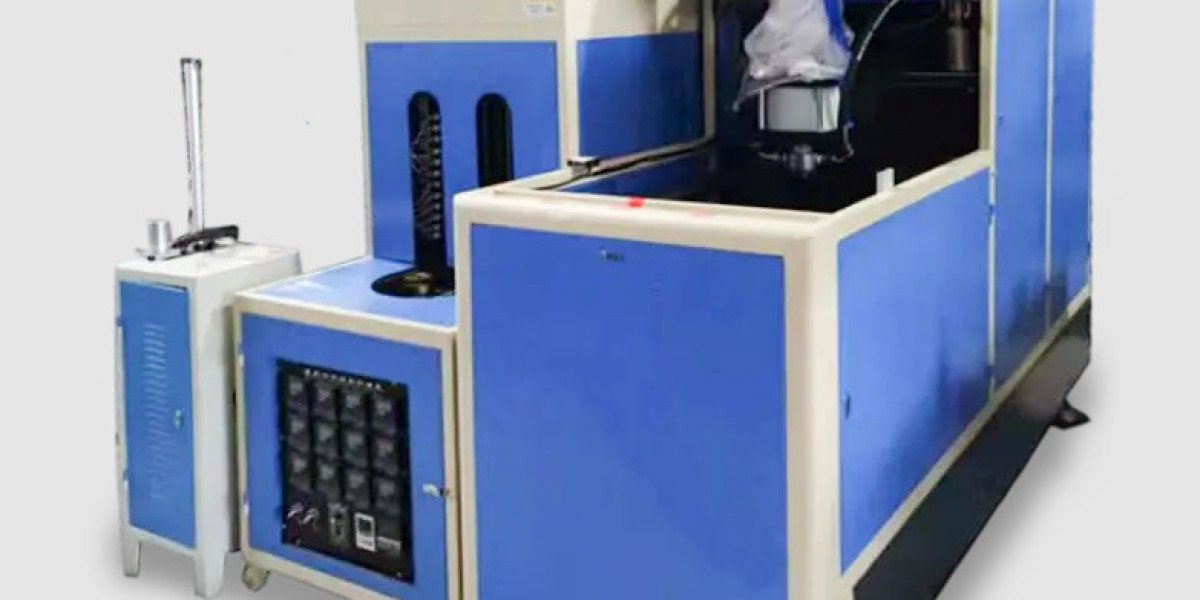

Energy usage has become a central concern for manufacturers involved in bottle production. A Fully Automatic Bottle Blowing Machine operating within a Mineral Water Bottle Blowing Machine system consumes electricity, compressed air, and heat energy throughout the production cycle. Managing these resources effectively can influence both operational costs and long-term sustainability.
One of the largest energy demands comes from the heating process. Preforms must be heated to a specific temperature before they can be shaped. Traditional heating systems often operate continuously, even when production speed changes. Modern machines address this by using adjustable heating zones that can be controlled independently. Operators can reduce power consumption by lowering output in unused zones, which helps match energy usage with actual production needs.
Infrared heating technology has also improved over time. Newer lamps provide more focused heat distribution, reducing energy loss. Reflective panels within the oven help direct heat toward the preforms rather than allowing it to dissipate into the surrounding environment. This increases heating efficiency and shortens the time required to reach the desired temperature.
Compressed air is another significant contributor to energy consumption. Bottle blowing requires high-pressure air, which is energy-intensive to produce. Advanced systems incorporate air recovery mechanisms that capture part of the exhaust air after the blowing process. This recovered air can be reused for pre-blowing or other low-pressure applications. By recycling air within the system, overall compressor load is reduced.
Leakage management is often underestimated. Even small leaks in air pipelines can lead to noticeable energy loss over time. Modern equipment includes pressure monitoring systems that detect irregularities in air flow. Regular inspection of valves, connectors, and seals helps maintain system integrity and prevents unnecessary energy waste.
Servo motor technology is increasingly replacing traditional pneumatic drives. Servo systems provide more precise control over movement while consuming less energy. Unlike pneumatic systems, which rely on constant air pressure, servo motors only use power when movement is required. This reduces idle energy consumption and improves overall efficiency.
Cooling systems also influence energy usage. Efficient mold cooling ensures that bottles solidify quickly, reducing cycle time. Water circulation systems with controlled flow rates help maintain consistent cooling without excessive energy use. Some systems integrate heat exchange units that reuse thermal energy, further improving efficiency.
Operational strategies can complement technical improvements. Running machines at optimal capacity rather than maximum speed often leads to better energy efficiency. Overloading equipment can increase wear and energy consumption without proportionate gains in output. Careful planning of production schedules helps balance demand with efficient machine operation.
Data monitoring plays a key role in energy management. Machines equipped with energy tracking systems allow operators to analyze consumption patterns. By identifying peak usage periods and inefficiencies, adjustments can be made to reduce overall energy demand. This data-driven approach supports continuous improvement in production efficiency.
Material optimization also contributes indirectly to energy savings. Lightweight bottle designs require less material and often less energy during the blowing process. Precise control over material distribution ensures that strength is maintained while reducing unnecessary usage. This approach aligns with both cost reduction and environmental considerations.
Environmental regulations and market expectations are encouraging manufacturers to adopt more energy-conscious practices. Equipment that supports lower energy consumption can help companies meet these expectations while maintaining production capacity. Rather than relying on a single solution, a combination of improved technology, maintenance practices, and operational strategies provides the most effective results.
Energy efficiency is not only about reducing costs but also about improving the overall sustainability of production. By focusing on heating, air management, motor control, and data monitoring, manufacturers can achieve more balanced and efficient operations.