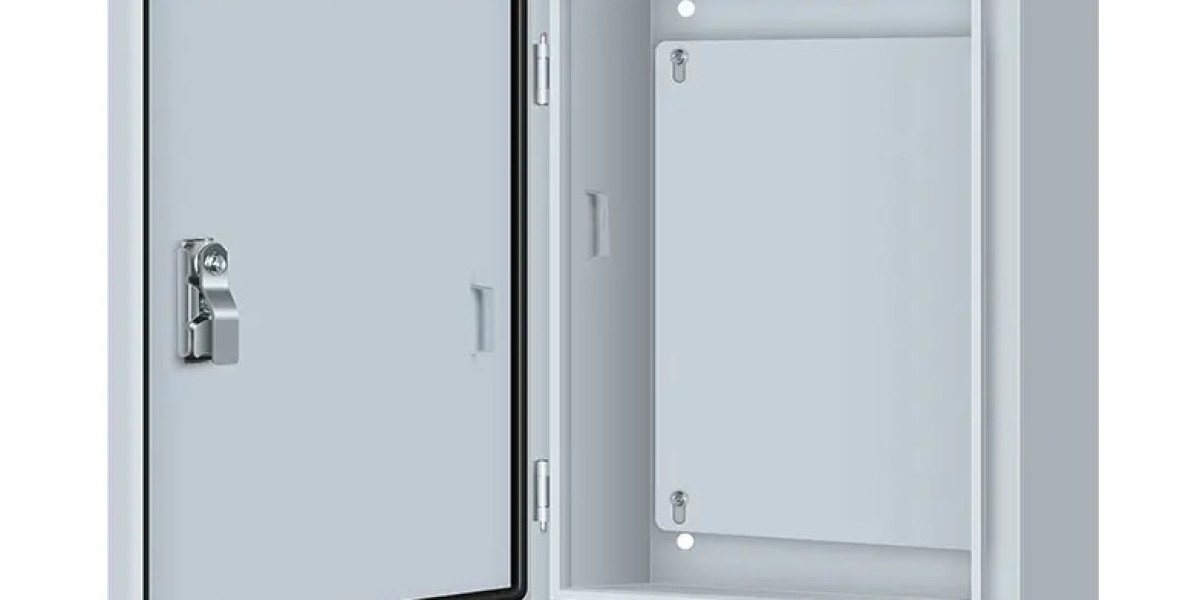

Standardized equipment can meet basic requirements, yet many projects demand tailored solutions. When working with Cable Distribution Cabinets and Water Pump Control Panel systems, customization allows designs to align with specific operational and environmental needs.
Adapting To Industry-Specific Requirements
Different industries impose unique demands on electrical systems.
In water treatment facilities, equipment must handle continuous operation and exposure to moisture. Cabinets are often designed with higher sealing levels and corrosion-resistant materials.
Agricultural irrigation systems, on the other hand, may require simpler configurations but greater flexibility in installation locations.
Manufacturing plants often prioritize high current capacity and integration with automation systems.
Customization ensures that each system meets its intended use rather than relying on generic configurations.
Adjusting Capacity And Layout
Power requirements vary widely between projects. A small facility may need only a few circuits, while large installations require extensive distribution networks.
Cable distribution cabinets can be designed with varying numbers of compartments and connection points. Busbar thickness and spacing are adjusted based on current load.
Control panels are configured according to the number of pumps and control complexity. Multi-pump systems often include sequencing logic to balance usage.
By aligning capacity with demand, systems avoid both underutilization and overload.
Integrating Control Logic And Automation
OEM customization often focuses on control logic. Each application may require different operational sequences.
For example, a municipal water supply system may prioritize pressure stability, while an industrial cooling system may focus on temperature control.
Programmable logic controllers are configured to match these requirements. Input and output modules are selected based on sensor types and control signals.
This tailored approach improves system responsiveness and efficiency.
Selecting Materials Based On Environment
Environmental conditions play a significant role in equipment design.
Outdoor installations require UV-resistant coatings and weatherproof enclosures. Indoor environments may prioritize compact design and accessibility.
In corrosive environments, such as chemical plants, specialized coatings or stainless steel materials are used.
Water pump control panels may include additional sealing to protect sensitive electronics from humidity.
Material selection directly affects long-term reliability.
Designing For Installation Constraints
Installation space and accessibility often influence design decisions.
Compact cabinets are useful in confined areas, while larger units may allow easier maintenance access.
Cable entry points can be positioned based on site layout, reducing installation complexity.
Control panels may include wall-mounted or floor-standing options depending on available space.
Custom design helps align equipment with real-world installation conditions.
Balancing Cost And Performance
Customization introduces additional considerations regarding cost. While tailored solutions may require higher initial investment, they can reduce operational expenses over time.
For instance, selecting materials that resist corrosion may prevent frequent replacements. Optimized control logic can reduce energy consumption.
Balancing these factors ensures that systems remain economically viable throughout their lifecycle.
Supporting Branding And Documentation Needs
OEM projects often involve branding requirements. Cabinets and panels may include company logos, labeling standards, and documentation formats.
Clear labeling improves usability for end users. Documentation tailored to specific systems simplifies training and maintenance.
This aspect of customization enhances both functionality and user experience.