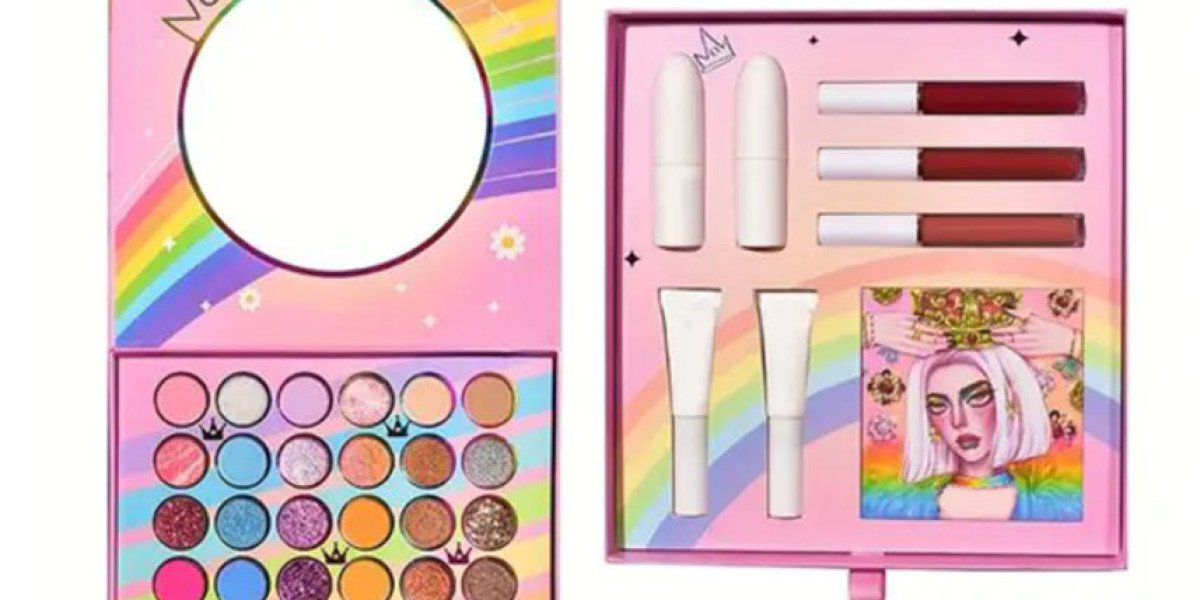

As consumer awareness grows, many brands are rethinking how an Eyeshadow Palette Factory or Eye Makeup Factory can support cleaner formulations and more transparent production processes. Questions around ingredient safety, environmental impact, and ethical sourcing are becoming part of product development discussions. These concerns influence purchasing decisions, making it necessary for manufacturers to adapt their approach.
One of the key challenges lies in ingredient selection. Traditional formulations may include synthetic binders or pigments that are stable and cost-effective, but not always aligned with current consumer expectations. Factories now work with alternative materials such as mineral-based pigments or plant-derived binders. However, replacing conventional ingredients requires careful testing, as texture and color payoff can change. Stability tests and wear trials help ensure that new formulations remain practical for everyday use.
Another issue involves ingredient transparency. Brands increasingly request detailed documentation, including full ingredient lists and sourcing information. A structured documentation system allows factories to provide this data efficiently. Digital tracking tools can link raw materials to specific batches, making it easier to trace the origin of each component. This level of detail supports compliance with different market regulations while also building consumer confidence.
Sustainability in packaging has also become a focus area. Many brands are moving away from single-use plastic palettes and exploring alternatives such as refillable cases or recyclable materials. A factory that offers modular packaging design can help brands implement refill systems without redesigning the entire product line. This approach reduces material waste and allows consumers to reuse the outer case while replacing only the inner pans.
Production processes themselves are also evolving. Energy consumption and waste management are now part of operational considerations. Some factories optimize production lines to reduce excess powder loss during pressing and filling. Others invest in equipment that improves precision, minimizing the need for rework. Even small adjustments, such as improving mold alignment, can reduce material waste over time.
Water usage is another factor that often goes unnoticed. While powder-based products generally require less water than liquid cosmetics, cleaning and maintenance processes still consume resources. Factories that implement controlled cleaning systems or recycling methods can lower water usage without affecting hygiene standards.
Balancing performance with cleaner formulations remains a practical challenge. For example, achieving long-lasting wear without certain synthetic ingredients may require adjustments in application method or packaging. Some brands address this by providing application guidance alongside the product, helping users achieve the intended effect without relying solely on formulation changes.
Certifications and third-party testing are becoming more common in this context. While not all brands require formal certification, having access to testing services allows manufacturers to support claims related to safety or environmental standards. These processes typically involve additional time and cost, so early planning is important.
Market trends driven by social media also influence product design. Consumers are not only interested in ingredients but also in the story behind the product. Limited-edition palettes with themed packaging or refillable systems often attract attention. Factories that can accommodate smaller production runs or flexible designs help brands respond more quickly to these trends.
Cost considerations still play a role in decision-making. Sustainable materials and alternative ingredients may come at a higher price, especially in smaller quantities. Factories often work with brands to find a balance, such as combining recyclable packaging with standard components where appropriate. This allows brands to introduce gradual changes rather than redesigning entire product lines at once.
Collaboration between brands and manufacturers becomes more detailed in this environment. Clear communication about ingredient preferences, packaging goals, and cost expectations helps avoid delays. Early-stage discussions often include feasibility analysis, ensuring that ideas can be translated into practical production steps.
As the industry continues to shift, manufacturers that integrate formulation development, packaging flexibility, and transparent processes are better positioned to support evolving brand needs. The transition toward cleaner and more sustainable products may involve incremental changes, but each step contributes to a more adaptable production model.