
A valve body that loses its mechanical strength silently endangers an entire pipeline network. Standard gray cast iron offers acceptable machinability and low cost, but its flake graphite structure creates a continuous electrochemical pathway for corrosion. Why do many Water Project Valve specifications require epoxy-coated ductile iron instead of standard cast iron?
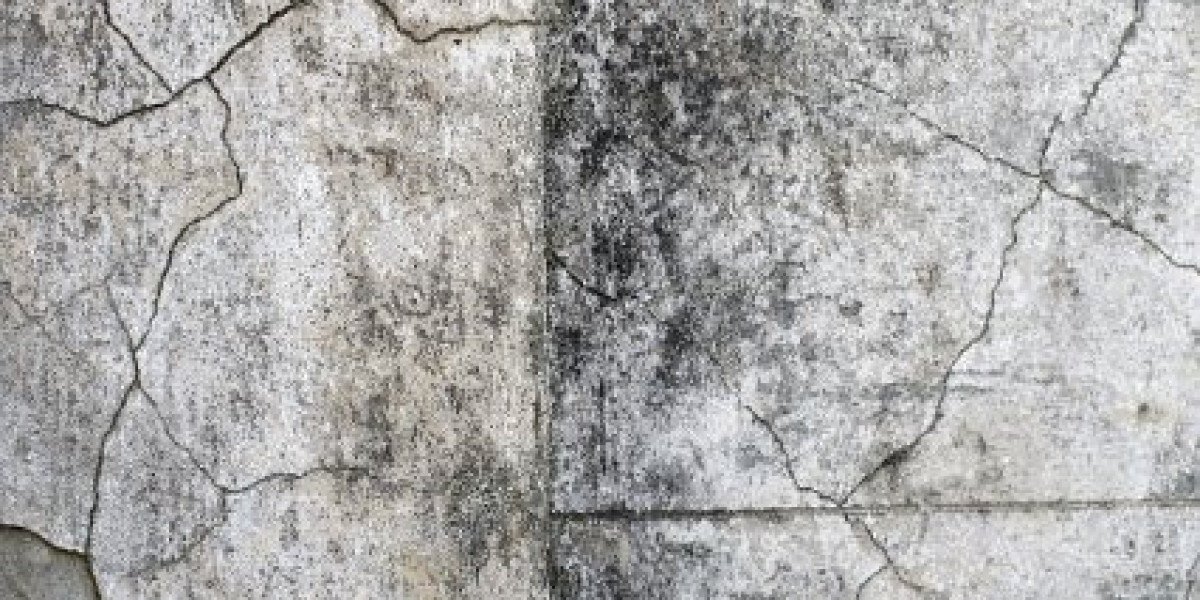
The answer begins with microstructure. Gray cast iron contains free graphite in interconnected flakes that act as corrosion propagation channels. Once moisture penetrates the surface, galvanic cells form between iron and graphite, converting the iron matrix into rust while leaving a porous graphite skeleton behind. This graphitic corrosion does not change external appearance but destroys load-bearing capacity completely. FY-valve Fangyuan rejects gray cast iron for any pressurized Water Project Valve application because a valve body that looks intact yet crumbles under pressure creates unacceptable field risks.
Ductile iron provides a fundamentally different matrix. Its graphite exists as isolated spherical nodules rather than interconnected flakes. This nodular structure interrupts corrosion pathways, confining any attack to small discrete areas without continuous propagation across the entire wall thickness. Even if coating damage occurs, a ductile iron valve body retains structural integrity far longer than its gray counterpart. The factory selects ductile iron grade conforming to ASTM A536, with specified minimum tensile strength and elongation requirements that gray cast iron cannot achieve.
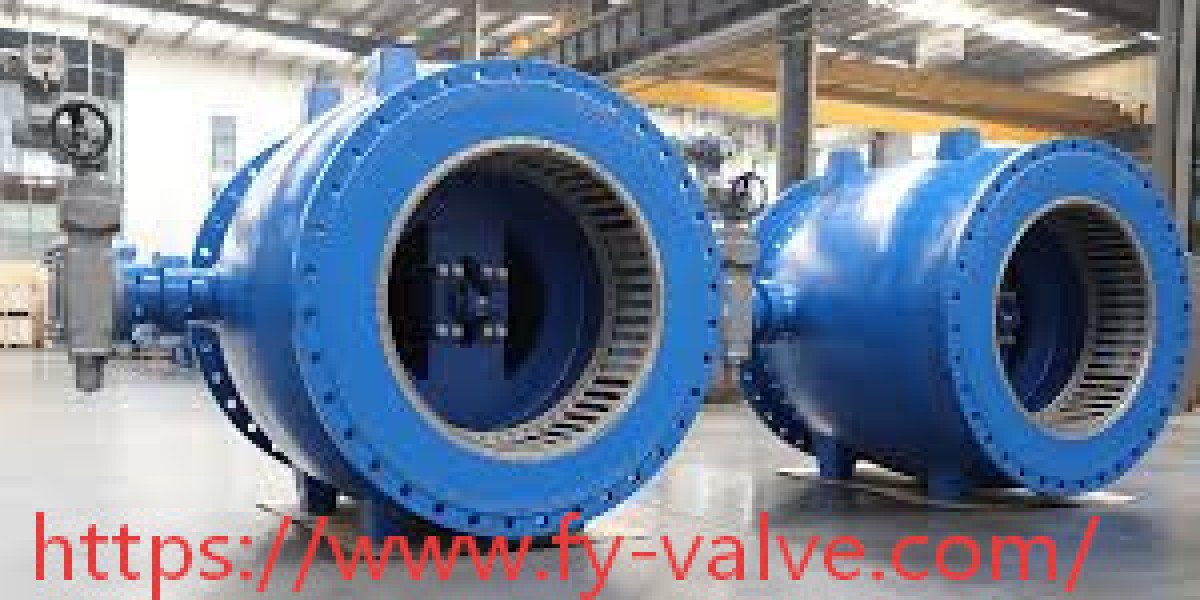
Epoxy coating adds a critical barrier layer specifically formulated for water immersion service. Fusion-bonded epoxy powder applied at controlled temperatures creates a continuous film that adheres directly to the prepared metal surface. FY-valve Fangyuan requires surface preparation to near-white metal standards, removing all mill scale and rust before coating application. This cleanliness ensures that the epoxy wets the ductile iron surface completely, eliminating underfilm corrosion pathways that start at untreated contamination points. The cured coating thickness undergoes verification using non-destructive electronic gauges at multiple locations on every valve.
Testing validates the combined material system. Coated valves from FY-valve Fangyuan undergo holiday detection using a high-voltage spark tester that identifies any pinhole or discontinuity in the epoxy layer. Dielectric strength requirements ensure that the coating can withstand typical soil stresses or stray currents from nearby electrical infrastructure. For buried service applications, additional cathodic protection compatibility testing confirms that the epoxy barrier does not disbond under impressed current conditions. A Water Project Valve that passes these evaluations enters service with predictable corrosion resistance regardless of soil resistivity or water chemistry.
For a comprehensive view of fluid control solutions in severe industrial processes, visit https://www.fy-valve.com/application/coal-chemical-industry.html. This combination of ductile iron's nodular graphite structure, fusion-bonded epoxy barrier, rigorous surface preparation, and non-destructive coating inspection ensures that a Water Project Valve from this manufacturer maintains pressure boundary integrity for decades without corrosion-induced failure.