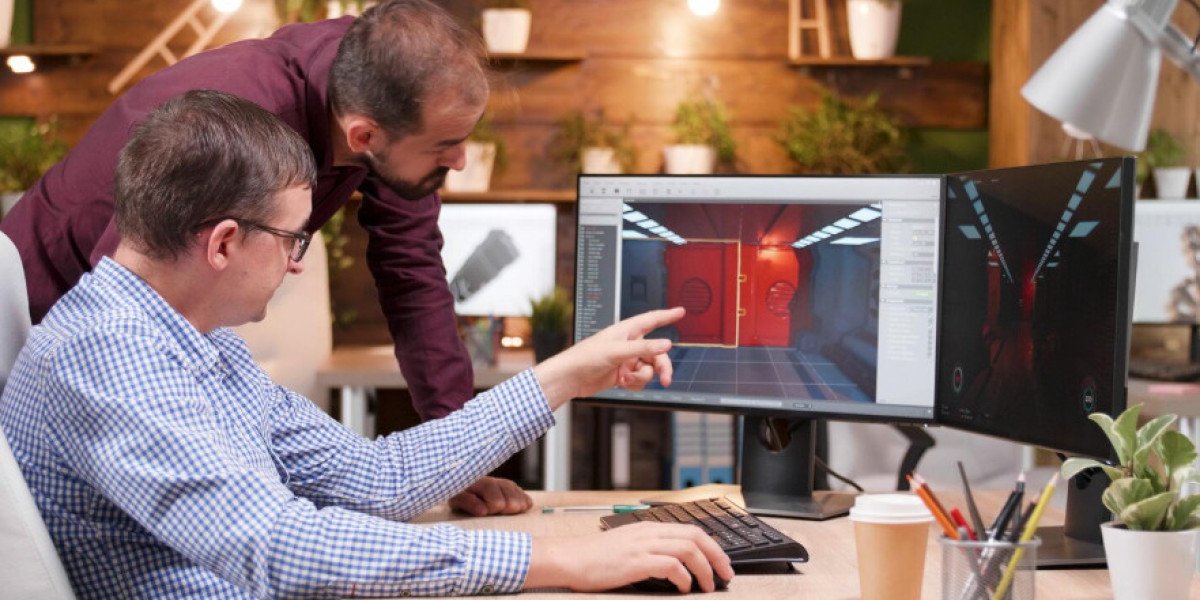

It involves the creation, analysis, and optimization of mechanical systems, components, and assemblies to ensure functionality, durability, efficiency, and manufacturability. From heavy industrial equipment to precision consumer devices, mechanical design transforms ideas into reliable physical products.
At its core, mechanical design integrates engineering principles such as mechanics, thermodynamics, materials science, and kinematics. Designers and engineers use advanced CAD software, simulations, and analytical tools to ensure that each component performs safely under real-world conditions.
Core Elements of Mechanical Design
Concept Development – Translating ideas into initial sketches and digital models
Material Selection – Choosing materials based on strength, cost, and environment
Stress & Load Analysis – Ensuring components withstand forces and fatigue
Tolerance & Fit Design – Maintaining accuracy in assemblies
Manufacturing Considerations – Designing parts for efficient production
A strong mechanical design process reduces product failures, improves performance, and shortens development cycles.
Mechanical Design Services: End-to-End Engineering Support
Mechanical Design Services provide businesses with professional expertise to handle product development from ideation to manufacturing support. These services are essential for companies that want high-quality engineering solutions without maintaining a large in-house team.
1. Conceptual Engineering & Feasibility Study
Every successful product begins with research and feasibility analysis. Mechanical design service providers evaluate:
Technical viability
Cost constraints
Environmental factors
Safety standards
Regulatory compliance
Early validation minimizes risk and prevents costly redesigns later in the development cycle.
2. 3D Modeling & CAD Design
Modern mechanical design services rely heavily on 3D CAD modeling to create detailed digital prototypes.
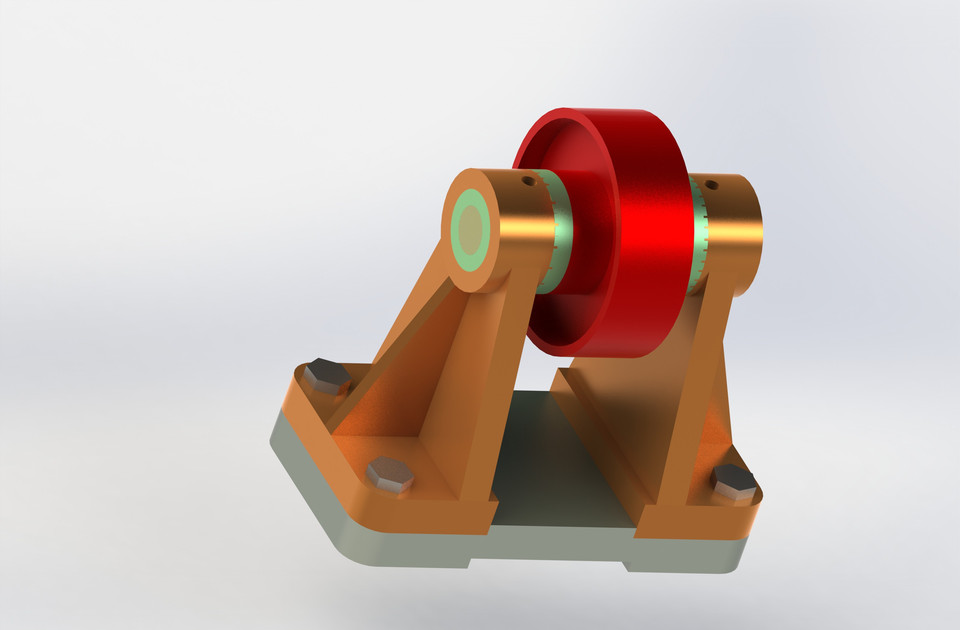
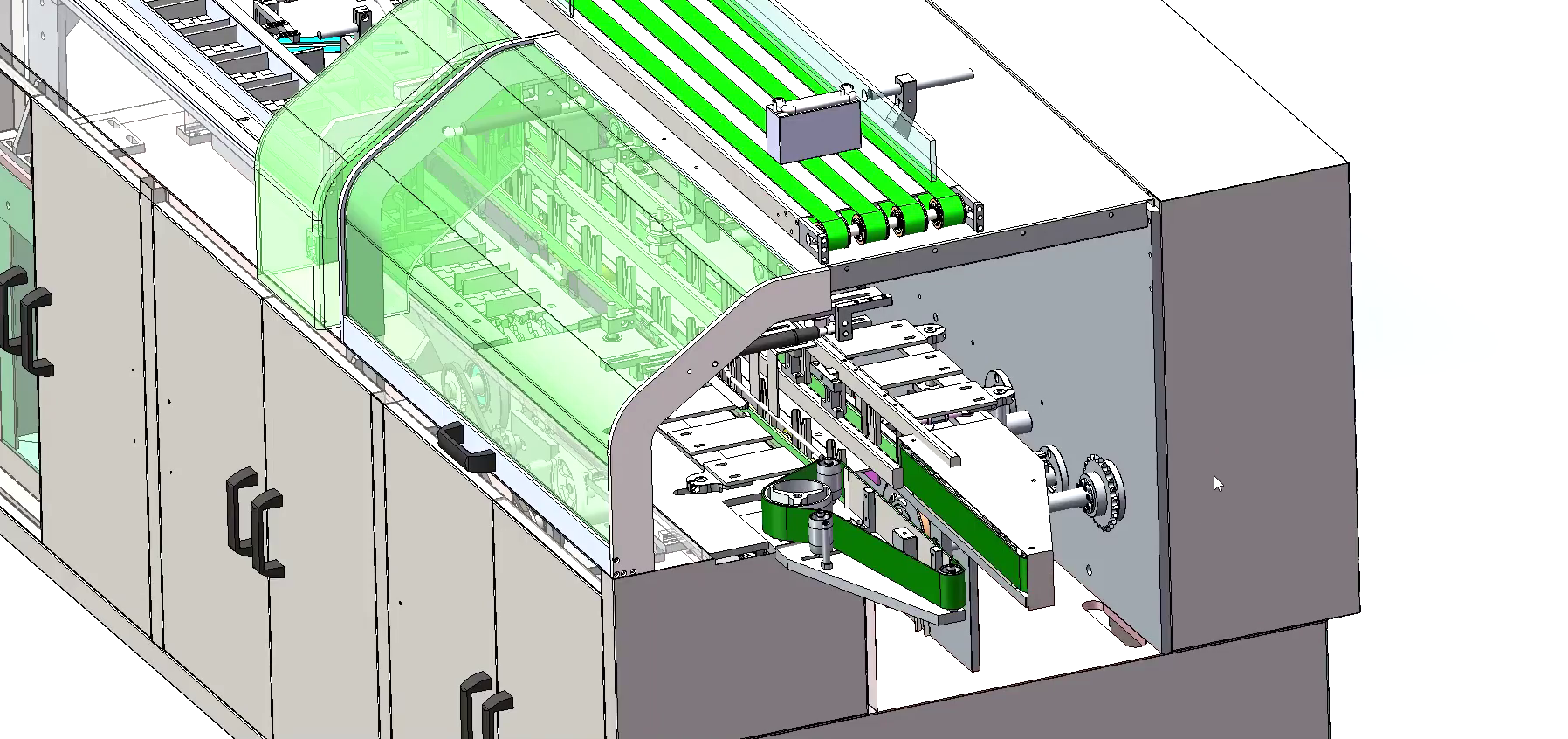
CAD models allow engineers to:
Visualize assemblies
Detect interference issues
Optimize dimensions
Generate production drawings
Digital modeling improves accuracy and speeds up collaboration between design and manufacturing teams.
3. Engineering Analysis & Simulation
Advanced mechanical design services include simulation and performance validation, such as:
Finite Element Analysis (FEA)
Thermal analysis
Motion studies
Vibration analysis
Simulations help predict product behavior under various operating conditions, ensuring reliability and safety.
4. Prototyping & Testing
Prototyping bridges the gap between design and production. Rapid prototyping methods such as 3D printing and CNC machining allow for functional testing before full-scale manufacturing.
Testing evaluates:
Structural integrity
Performance efficiency
Ergonomics
Durability
Iterative improvements refine the product before market launch.
5. Manufacturing & Production Support
Mechanical design services extend into manufacturing through:
Design for Manufacturing (DFM)
Design for Assembly (DFA)
Tooling support
Technical documentation
Quality control guidance
This ensures a smooth transition from the digital model to the physical product.
Mechanical Product Design: Creating Market-Ready Solutions
Mechanical Product Design focuses specifically on developing functional, manufacturable products intended for commercial markets. It combines engineering precision with user-centered thinking and aesthetic considerations.

1. User-Focused Engineering
Modern mechanical product design prioritizes usability and ergonomics. Designers consider how users will interact with the product, ensuring comfort, safety, and intuitive functionality.
2. Integration of Mechanical & Electronic Systems
Many modern products combine mechanical systems with electronics and embedded software. Mechanical product design must account for:
Heat dissipation
Space optimization
Vibration control
Structural housing for electronics
Proper integration ensures product longevity and reliability.
3. Material Innovation & Sustainability
Material selection is critical in mechanical product design. Engineers evaluate:
Strength-to-weight ratio
Corrosion resistance
Environmental impact
Cost efficiency
Sustainable design practices reduce waste and improve energy efficiency during production and the product lifecycle.
4. Cost Optimization & Market Competitiveness
Mechanical product design balances innovation with cost efficiency. Engineers aim to:
Reduce part count
Simplify assembly
Improve manufacturability
Lower material waste
These strategies enhance profitability without compromising quality.
5. Compliance & Safety Standards
Depending on the industry, products must meet strict safety and regulatory standards. Mechanical product design ensures compliance with industry codes, minimizing legal risks and ensuring customer trust.
Industries That Rely on Mechanical Design Services
Mechanical design and mechanical product design are critical across industries such as:
Automotive and transportation
Aerospace and defense
Manufacturing and automation
Energy and power generation
Consumer electronics
Medical equipment
Each industry demands precision, durability, and performance-driven solutions.
The Strategic Importance of Mechanical Design
Mechanical design is more than technical drafting—it is strategic innovation. Companies that invest in professional mechanical design services benefit from:
Reduced development time
Improved product reliability
Lower production costs
Faster time to market
Competitive advantage
With advancements in digital engineering, technologies such as generative design, digital twins, and AI-driven optimization are reshaping how mechanical product design is executed.
Conclusion
Mechanical Design forms the technical foundation of industrial progress. Mechanical Design Services provide structured engineering support from concept to production, while Mechanical Product Design ensures ideas evolve into functional, market-ready solutions. By combining engineering precision, advanced simulation tools, and manufacturing expertise, businesses can develop high-performance products that meet market demands and stand the test of time. In an increasingly competitive and innovation-driven world, mechanical design remains essential to sustainable growth and engineering excellence.