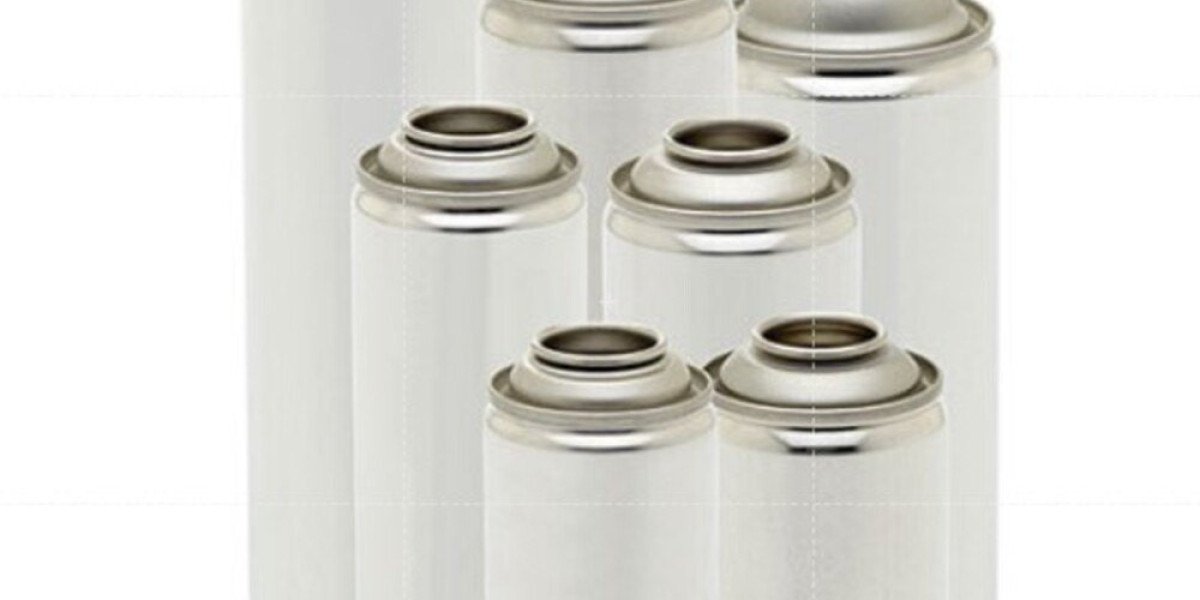

Pick up any pressurized can and you are holding the outcome of choices that rarely cross most people's minds. Material selections, wall thickness, interior coatings, valve compatibility—each element plays a part that usually only draws attention when a problem occurs. The Two-Piece Aerosol Canrepresents a notable combination of technical design and routine convenience, and the materials that go into it reveal more complexity than its smooth outside would suggest.
Aluminum frequently comes to mind first, and it holds that place for clear reasons. It resists rust, shapes readily under forming pressure, and accepts exterior coatings and printing effectively, supporting both durability and product visibility on the shelf. In two-piece construction, the body and dome are formed together from one continuous sheet, which eliminates the side seam present in traditional three-piece cans. That change may appear minor, but for a container meant to maintain pressure reliably over long periods of storage, removing a seam provides a significant improvement in structural reliability.
Aluminum itself varies in composition. The particular alloy, the rolling process for the sheet, and the temper introduced during fabrication all affect how the completed can performs under different conditions. A can that remains stable in a test setting but deforms during the temperature changes typical of distribution or store environments has not been fully considered in its design, regardless of what documentation might state. Uniformity in production is closely tied to the choice of material, and the two aspects cannot be treated in isolation.
Steel finds use in certain applications. It carries more weight, which influences transportation and handling, but it also provides greater strength, making it appropriate when the contents involve elevated pressures or more reactive formulations. For steel cans, interior coatings take on particular importance. An effective barrier between the metal and the product is necessary to prevent unwanted interactions that could affect the contents. The chemistry of these coatings continues to evolve as an active field within the industry.
Interior linings tend to receive less notice in everyday conversations, yet they are fundamental to product safety. When a Two-Piece Aerosol Can contains materials that are reactive, corrosive, or prone to contamination, the lining must hold up consistently throughout the product's expected shelf life. Requirements for lining materials have changed in light of health and environmental considerations, prompting manufacturers to seek formulations that maintain performance while meeting updated expectations. This remains an area of ongoing adjustment.
Valve and actuator compatibility connects back to these other factors. The gasket, valve seat, and dip tube come into contact with both the can material and the dispensed product. Any inconsistency in that interaction can result in leaks, restrictions, or gradual changes that become apparent only after the product has been distributed and used. Thorough compatibility assessment is a necessary part of the process, helping to separate dependable function from unforeseen difficulties.
Exterior coatings finish the assembly. They safeguard the metal against handling, moisture, and prolonged display conditions while also presenting the product's branding. Direct printing onto aluminum, as opposed to attaching a paper label, generally offers improved resistance to wear over time, which contributes to its common use in this type of packaging. In this area, protection and visual quality support one another.
Overall, material decisions in aerosol can production form an interrelated system rather than separate items on a list. Altering one factor—such as the alloy—often requires reviewing related elements, including the interior lining or valve fit. Manufacturers that recognize these connections approach the can as a complete system, which tends to result in more dependable outcomes. That holistic view is visible in a thoughtfully produced product. To see an example of that approach in action, visit https://www.bluefirecans.com/product/ .