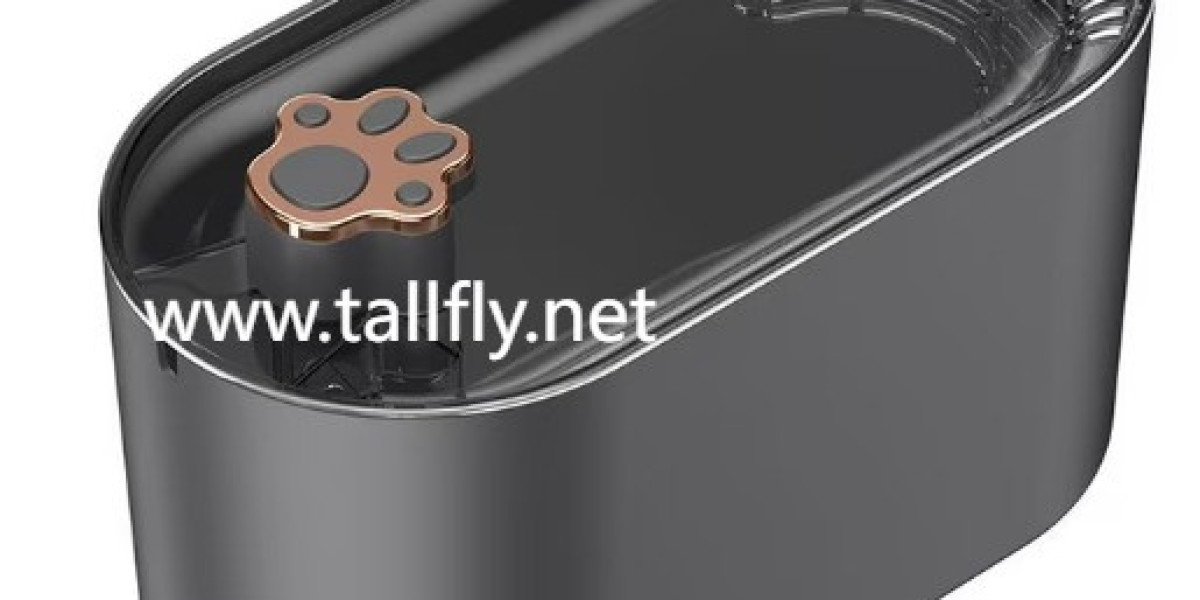

Traveling away from home presents unique challenges when companions have developed strong preferences for how they consume water. Animals accustomed to flowing sources often refuse still water in bowls, leading to dehydration concerns during trips. Understanding transition strategies and portable solutions, including options from Pet Water Fountain Manufacturer , helps maintain healthy hydration habits while exploring new environments together.
Gradual acclimation before departure eases the adjustment process significantly. Introducing traditional bowls alongside the fountain weeks before travel allows companions to become familiar with alternative drinking methods. Place still water dishes near preferred fountain locations, creating positive associations through proximity. Some animals begin sampling from bowls naturally when options exist side by side without pressure.
Flavor enhancement encourages drinking from unfamiliar sources during travel periods. Adding small amounts of low sodium broth to still water creates appealing taste that overcomes reluctance about delivery method. The familiar flavor provides comfort in strange surroundings while masking any differences in water source or container type. This technique proves particularly effective for finicky drinkers resistant to change.
Portable battery operated fountains solve hydration challenges for extended trips requiring overnight stays. Compact designs fitting easily into luggage provide familiar flowing water in hotel rooms or temporary accommodations. USB rechargeable models eliminate concerns about outlet availability while maintaining the movement and sound that encourage regular drinking. These devices bridge the gap between home comfort and travel necessity.
Car travel demands secure water access that prevents spills during movement. Weighted bowls with non-slip bases remain stable during acceleration and turns, reducing mess while providing hydration during rest stops. Filling containers partially rather than completely minimizes sloshing without compromising access. Frequent stops allow regular drinking opportunities that prevent dehydration during long journeys.
Monitoring intake levels becomes crucial when drinking patterns change temporarily. Observing frequency and duration of drinking sessions reveals whether companions maintain adequate hydration despite unfamiliar circumstances. Reduced consumption signals the need for intervention through flavor additions, alternative containers, or more frequent offering of fresh water.
Ice cubes create movement in still water that mimics fountain flow to some degree. Dropping several cubes into bowls generates temporary motion and sound as they melt and shift. This simple technique often stimulates interest in otherwise ignored water sources. The cooling effect also proves refreshing during warm weather travel.
Familiar items from home provide psychological comfort that extends to drinking habits. Bringing the regular water bowl along, even if fountain use dominates at home, offers something recognizable in strange environments. Scent markers from household water dishes may encourage drinking when everything else feels unfamiliar and potentially threatening.
Hydration through food sources supplements water intake when drinking decreases during travel stress. Wet food formulations contain significant moisture that contributes to overall fluid consumption. Adding water to dry food creates gravy that provides hydration while making meals more appealing. This approach ensures basic needs are met even when direct drinking suffers.
Destination accommodations with fountain access eliminate many travel hydration concerns. Researching lodging options that welcome companion animals and permit small electrical devices allows bringing familiar hydration equipment along. Setting up the home fountain in temporary quarters recreates normal routines that reduce travel related stress and maintain healthy drinking patterns.
Practice trips of increasing duration build confidence in both travelers and their companions. Short overnight excursions reveal potential problems with hydration, allowing solutions before longer journeys. These trial runs establish routines and identify necessary equipment adjustments in lower stakes situations.
Return home transitions require patience as well, particularly after extended absences. Some animals need time readjusting to fountain flow after days or weeks using alternative sources. Reintroduction usually occurs naturally, though temporary dual offerings may ease the shift back to normal household routines.
Maintaining adequate hydration during travel protects health while reducing stress for all involved. Thoughtful preparation and flexible approaches address drinking preference challenges effectively. For reliable hydration solutions designed for both home use and travel adaptability, visit https://www.tallfly.net/product/ to access equipment that supports healthy habits in any environment.