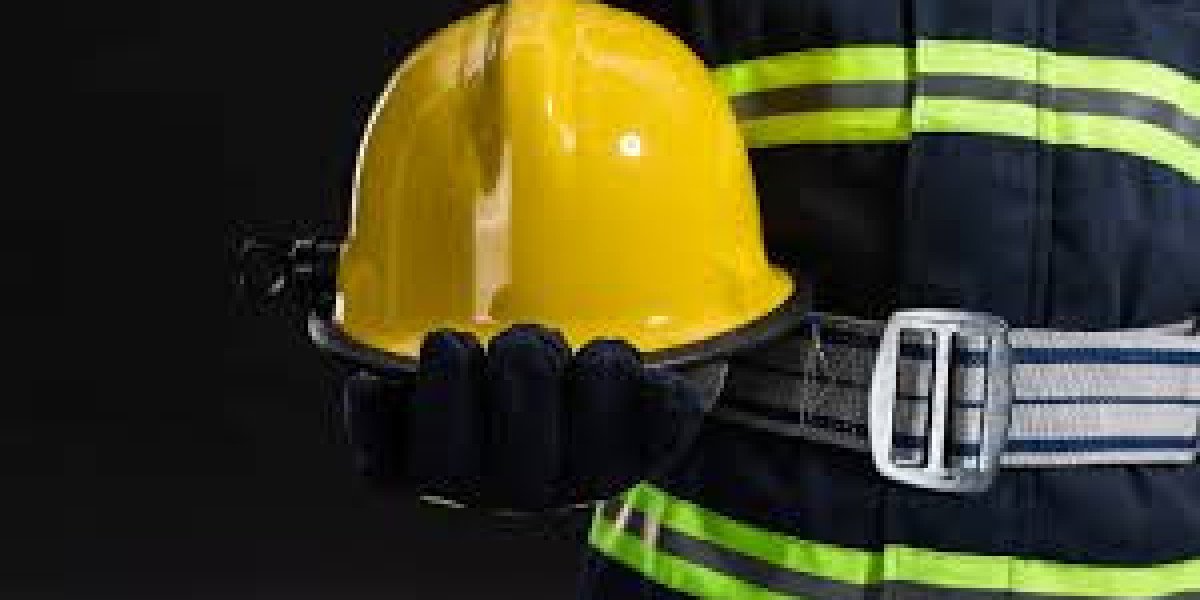

Fire fighting fabrics are specialized technical textiles engineered to protect firefighters and emergency responders from extreme heat, flame exposure, radiant energy, and mechanical hazards encountered in structural fires, wildland fires, industrial incidents, and rescue operations. These fabrics form the backbone of protective clothing systems such as turnout gear, station wear, hoods, gloves, and ancillary protective layers. Performance requirements are demanding: fabrics must offer flame resistance, thermal insulation, durability, tear and abrasion resistance, moisture management, and compatibility with multi-layer garment designs that balance protection with mobility and comfort. Between 2025 and 2034, the fire fighting fabrics market is expected to expand steadily, supported by rising investment in occupational safety, replacement cycles for aging gear, stricter standards for protective performance, growth in industrial firefighting capacity, and increasing focus on comfort and heat-stress management for responders.
Market Overview and Industry Structure
The Fire Fighting Fabrics Market Size is valued at $5.21 Billion in 2025. Worldwide sales of Fire Fighting Fabrics Market are expected to grow at a significant CAGR of 5.8%, reaching $7.72 Billion by the end of the forecast period in 2032.
Fire fighting protective systems are typically constructed as layered assemblies. Outer shell fabrics provide flame resistance, mechanical strength, and abrasion protection. Moisture barriers prevent water and chemical ingress while maintaining breathability. Thermal liners provide insulation and help manage heat transfer. The fabrics used in these layers include inherently flame-resistant fibers such as aramid and meta-aramid, para-aramid blends, PBI-based blends, and other high-performance fibers, as well as treated flame-resistant cotton and engineered composites in selected applications. In addition, reflective and high-visibility trims and reinforcement patches use specialized materials designed to remain stable under heat and repeated laundering.
Industry structure includes fiber and yarn producers, fabric weavers and knitters, finishers that add water repellency or specialized coatings, and garment manufacturers that assemble certified protective ensembles. The market is shaped by standards and certification ecosystems, procurement policies of fire departments and industrial operators, and the need for consistent performance across long service life. Many purchases are made through tenders and long-term supply contracts, and suppliers must meet strict testing requirements related to flame resistance, thermal protective performance, tear strength, seam strength, and overall garment ergonomics. After-sales services—inspection, cleaning guidance, repair, and lifecycle management—are increasingly important as departments seek to maximize gear life while maintaining compliance.
Industry Size, Share, and Adoption Economics
Adoption economics in fire fighting fabrics are closely tied to risk reduction, compliance, and total cost of ownership. Fire departments and industrial emergency response teams invest in protective gear to reduce injury risk and meet regulatory and operational safety requirements. Purchases are often influenced by national or regional standards, department policies, and funding cycles. Replacement is driven by wear, contamination, damage, and lifecycle limits established by standards or departmental protocols. In many regions, turnout gear is replaced on scheduled cycles, which creates recurring demand and supports stable market fundamentals.
Market share is influenced by fabric performance, certification track record, comfort characteristics, and supplier reliability. Premium fibers and fabric systems can command higher prices when they offer improved thermal protection, lower weight, better breathability, and longer wear life. At the same time, many buyers face budget constraints, creating a tiered market in which cost-effective treated FR fabrics and mid-range aramid blends compete with higher-end PBI or advanced composite systems. Suppliers that can demonstrate consistent quality, provide traceability, and support certification and testing processes tend to secure long-term contracts and repeat business.
Key Growth Trends Shaping 2025–2034
A major trend is increasing emphasis on heat-stress management and firefighter comfort. Firefighters face physiological strain from heavy gear and high temperatures, and departments are prioritizing lighter-weight fabric systems, improved breathability, and moisture management while maintaining protective performance. This is driving innovation in fabric construction, yarn engineering, and moisture barrier technologies that reduce bulk and improve mobility.
Another trend is evolving hazard profiles. Urbanization, higher building complexity, increased use of synthetic materials in furnishings, and greater frequency of industrial incidents can increase heat flux and toxic smoke exposure risks. Wildland firefighting demand is also rising in many regions, with different performance requirements that prioritize breathability, mobility, and extended wear. This drives segmentation of fabric systems by application, with distinct gear designs and fabrics for structural and wildland operations.
Contamination and decontamination practices are also shaping the market. Firefighters and departments are increasingly focused on reducing exposure to harmful residues, leading to stronger cleaning protocols, improved barrier performance, and fabrics designed to withstand repeated laundering without performance degradation. This trend supports demand for durable fabrics, stable finishes, and designs that reduce contaminant absorption and improve cleanability.
Sustainability and lifecycle management are emerging themes. Departments and suppliers are exploring recycling pathways, longer-life gear designs, and materials with lower environmental impact, while ensuring safety performance remains the priority. Digitalization is also influencing procurement and maintenance, with more departments adopting tracking systems for gear inspection, cleaning cycles, and retirement decisions, which can drive more structured replacement demand.
Core Drivers of Demand
The primary driver is regulatory and operational safety requirements. Firefighting is a high-risk occupation, and protective fabrics are essential to reduce burn injuries and heat-related harm. A second driver is replacement cycles and funding for public safety equipment. As gear ages and standards tighten, departments must replace protective ensembles, creating recurring demand. A third driver is growth in industrial firefighting and emergency response capabilities in sectors such as oil and gas, chemicals, manufacturing, airports, and utilities, where specialized protective gear is required.
In addition, increased awareness of long-term health risks and exposure management is driving demand for improved barrier performance and better decontamination compatibility. Technological improvements in fabric systems that reduce weight while maintaining protection also encourage upgrades, especially for departments seeking to improve firefighter endurance and reduce fatigue.
Browse more information
https://www.oganalysis.com/industry-reports/fire-fighting-fabrics-market
Challenges and Constraints
The market faces constraints related to cost, supply chain complexity, and performance trade-offs. High-performance inherently flame-resistant fibers can be expensive, and procurement budgets can limit adoption of premium systems. Supply chain constraints—such as limited capacity for certain specialty fibers or finishing processes—can affect lead times. Performance balancing is also challenging: increasing breathability and lowering weight can reduce thermal insulation, requiring careful multi-layer design and testing to maintain protection.
Certification and compliance requirements increase product development cost and time. Fabrics must meet strict performance thresholds and maintain performance over repeated laundering and exposure. Additionally, concerns around chemical finishes, durability of repellency treatments, and evolving health and environmental scrutiny can influence material selection and finishing strategies. Finally, the market must address diverse operating conditions, from structural fires to wildland operations, which require tailored solutions rather than one-size-fits-all fabrics.
Market Segmentation Outlook
By layer type, the market includes outer shell fabrics, moisture barrier layers, and thermal liner fabrics, as well as reinforcements and high-visibility trims. By fiber type, segments include aramid and aramid blends, PBI-based blends, treated flame-resistant cotton, and other high-performance fibers and composites. By application, segments include structural firefighting gear, wildland firefighting apparel, industrial firefighting and rescue gear, station wear, and accessories such as hoods and gloves. By end user, demand is driven by municipal fire departments, industrial emergency response teams, military and civil defense units, airports, and specialized rescue services. By procurement channel, sales occur through direct contracts with departments and agencies, distributors specializing in protective equipment, and OEM garment manufacturers integrating fabric systems into certified ensembles.
Key Market Players
- DuPont
- Teijin Limited
- TenCate Protective Fabrics
- Milliken & Company
- Mount Vernon Mills
- Glen Raven, Inc.
- Huntsman Corporation
- W.L. Gore & Associates
- Solvay S.A.
- 3M Company
- Kaneka Corporation
- PBI Performance Products
- Koninklijke Ten Cate
- Safety Components Fabric Technologies
- Klopman International
Competitive Landscape and Strategy Themes
Competition is driven by fabric performance, comfort and weight optimization, durability through laundering and field use, and the ability to support certification and traceability requirements. Leading suppliers differentiate through advanced fiber blends, engineered fabric constructions, stable moisture barriers, and technical support to garment OEMs and departments. Strategic themes through 2034 include development of lighter and more breathable fabric systems, improved contamination resistance and cleanability, enhanced durability of water repellency and barrier layers, and integrated lifecycle management support for customers. Suppliers are also expected to invest in regional production and inventory strategies to reduce lead times and improve reliability for public sector tenders.
Regional Dynamics
Regionally, North America is expected to remain a major market due to structured standards, regular replacement cycles, and ongoing investment in firefighter safety and performance upgrades. Europe is expected to grow steadily with strong safety regulation, modernization of public safety equipment, and focus on sustainable procurement and lifecycle management. Asia-Pacific is expected to be a high-growth region driven by expanding urban infrastructure, increasing industrialization, and rising investment in emergency response capabilities. Other regions will see selective growth tied to infrastructure development, industrial safety investment, and modernization of municipal firefighting equipment.
Forecast Perspective (2025–2034)
From 2025 to 2034, the fire fighting fabrics market is positioned for steady expansion, driven by safety-driven procurement, recurring replacement cycles, and innovation focused on reducing heat stress while maintaining protection. Growth will be strongest for fabric systems that combine high thermal performance, lower weight, improved breathability, and strong durability under intensive cleaning and field conditions. Suppliers that deliver consistent certified performance, reliable supply, and application-specific fabric solutions for structural, wildland, and industrial response needs will be best positioned to capture durable share over the forecast period.
Browse Related Reports
https://www.oganalysis.com/industry-reports/soundproof-curtains-market
https://www.oganalysis.com/industry-reports/woodbased-panels-market
https://www.oganalysis.com/industry-reports/resilient-flooring-market
https://www.oganalysis.com/industry-reports/wood-flooring-market