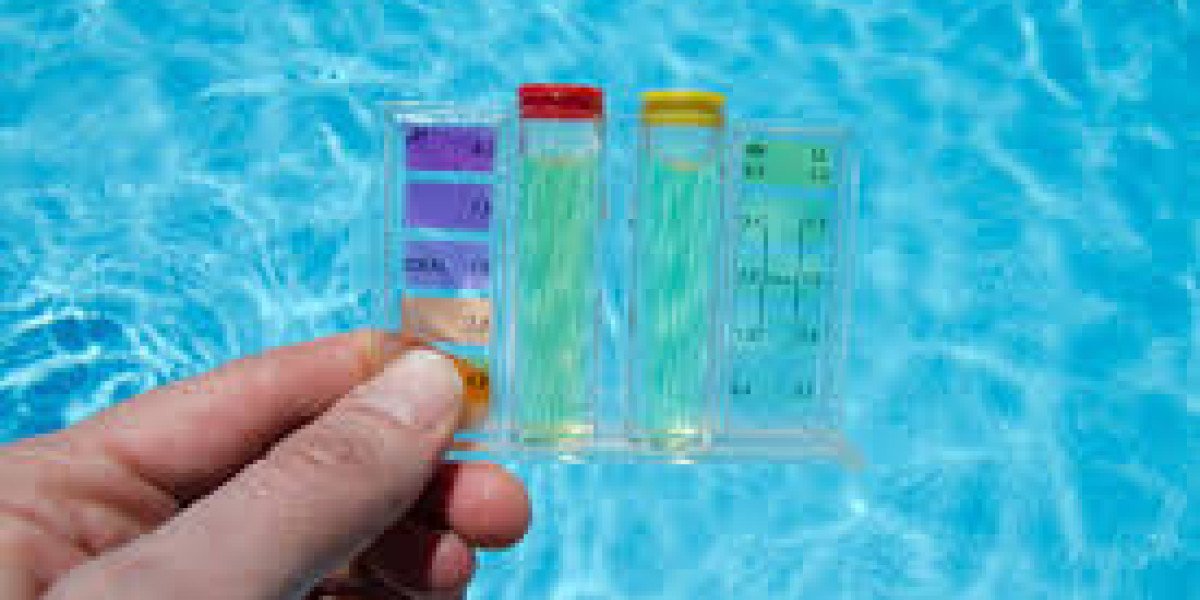

Chlorine and chlorine derivatives form one of the most important value chains in the global chemical industry, underpinning materials used in construction, water treatment, consumer products, pharmaceuticals, electronics, and industrial manufacturing. Chlorine is produced primarily through the chlor-alkali process, which also yields caustic soda and hydrogen. Chlorine’s reactivity enables a broad derivative ecosystem including vinyl chloride monomer (VCM) and polyvinyl chloride (PVC), chlorinated solvents, chlorinated intermediates for pharmaceuticals and agrochemicals, epichlorohydrin for epoxy resins, inorganic chlorides, and disinfection chemicals such as hypochlorite and chloramines. Between 2025 and 2034, the chlorine and chlorine derivatives market is expected to expand steadily, shaped by construction and infrastructure demand for PVC, growth in water and sanitation investment, evolving regulations around certain chlorinated organics, and ongoing shifts in regional production economics driven by energy costs, feedstock availability, and environmental compliance.
Market Overview and Industry Structure
The Chlorine & Chlorine Derivatives Market Size was valued at $31.1 billion in 2024 and is projected to reach $32.0 billion in 2025. Worldwide sales of Chlorine & Chlorine Derivatives are expected to grow at a significant CAGR of 3.6%, reaching USD 44.5 billion by the end of the forecast period in 2034.
The chlorine market is structurally linked to caustic soda because both are produced together in chlor-alkali plants. This co-production drives industry economics: producers must balance chlorine output with caustic soda demand and pricing, and regional trade flows are influenced by the feasibility of transporting each product. Chlorine is difficult and costly to transport over long distances due to safety and handling constraints, leading to a strong tendency for downstream derivative production to co-locate near chlor-alkali capacity. As a result, chlorine is often consumed “captive” within integrated chemical complexes that convert it into higher-value derivatives.
The largest downstream sink for chlorine is the PVC value chain. Chlorine is used to produce ethylene dichloride (EDC), which is converted to VCM and then polymerized into PVC. Beyond PVC, chlorine feeds a wide range of derivatives. Inorganic derivatives include hydrochloric acid, sodium hypochlorite, calcium hypochlorite, chlorates, and metal chlorides used in industrial processes. Organic derivatives include chlorinated solvents and intermediates that support pharmaceuticals, agrochemicals, dyes, and specialty chemicals. Industry structure therefore includes large integrated chlor-alkali and vinyls producers, diversified chemical groups with chlorine-based intermediates portfolios, and specialty producers focusing on disinfectants, inorganic chlorides, or niche chlorination chemistry.
Industry Size, Share, and Adoption Economics
Demand for chlorine and derivatives is ultimately derived from end markets such as construction, packaging, automotive, healthcare, agriculture, and municipal and industrial water treatment. Adoption economics differ by derivative category. In PVC, chlorine-based chemistry remains fundamental because PVC offers a strong cost-to-performance balance, durability, and broad application flexibility in pipes, fittings, profiles, and cable insulation. In water treatment, chlorine-based disinfectants provide proven microbial control and cost-effective sanitation, supporting continued widespread use. In many chemical synthesis pathways, chlorinated intermediates remain the most efficient route to produce specific molecules, especially in pharmaceuticals and crop protection.
Market share tends to concentrate among integrated producers with scale, energy efficiency, and downstream conversion assets. Because chlorine is hazardous and transportation is constrained, local market positions and integrated value chains can strongly influence share. Producers with strong EDC/VCM/PVC integration often have structural advantages in balancing chlorine flows. Caustic soda market dynamics also shape profitability, influencing plant operating rates and investment decisions. Over time, market share can shift with regional energy costs, environmental regulation stringency, and the competitiveness of local downstream demand centers.
Key Growth Trends Shaping 2025–2034
A major trend is sustained infrastructure and construction demand for PVC, particularly in water supply, wastewater networks, and housing-related applications. PVC remains widely used in pipes, fittings, window profiles, and cables, and demand is supported by urbanization, renovation cycles, and infrastructure investment. As water scarcity and sanitation priorities grow, the need for durable piping and treatment infrastructure supports both PVC and disinfectant demand.
Another important trend is increased focus on water treatment and hygiene. Municipal disinfection programs, industrial water management, and sanitation standards in food processing and healthcare continue to support chlorine-based disinfectants. While alternative disinfection technologies exist, chlorine remains a foundational solution for residual disinfection in distribution systems.
At the same time, regulatory and sustainability pressures are reshaping certain derivative segments. Some chlorinated solvents and organochlorine products face restrictions due to toxicity and persistence concerns, driving substitution toward less hazardous chemistries in specific applications. This creates a mixed outlook: while commodity derivatives linked to PVC and disinfection remain strong, certain specialty chlorinated organics may face demand headwinds or require reformulation and improved emissions control.
Decarbonization and process efficiency are also shaping investment decisions. Chlor-alkali production is electricity-intensive, and producers are investing in energy-efficient technologies, renewable power sourcing, and improved cell designs to reduce operating cost and carbon footprint. Digitalization and safety enhancements in chlorine handling, storage, and distribution are also increasing, improving operational resilience and compliance.
Browse more information
https://www.oganalysis.com/industry-reports/chlorine--chlorine-derivatives-market
Core Drivers of Demand
The primary driver is PVC demand in construction and infrastructure. PVC’s cost, durability, and versatility keep it central to piping and building products, sustaining large chlorine consumption. A second driver is water treatment and sanitation, where chlorine-based disinfection remains essential for public health and industrial hygiene. A third driver is the role of chlorine chemistry in chemical manufacturing, including pharmaceuticals, agrochemicals, and specialty intermediates where chlorination routes remain effective and scalable.
Industrial growth, urbanization, and rising standards of living further support demand for chlorine derivatives used in consumer products, electronics materials, and industrial processes. In many regions, expanding municipal water treatment coverage and upgrading aging infrastructure provide durable demand pull for disinfectants and PVC.
Challenges and Constraints
The chlorine value chain faces constraints related to safety, transport limitations, and regulatory compliance. Chlorine’s hazardous nature requires stringent handling, storage, and transportation standards, increasing operational complexity. Environmental regulations affect chlor-alkali plants, vinyls production, and downstream chlorinated organics, requiring investment in emissions control and process safety systems. Chlor-alkali economics are strongly influenced by electricity costs, and volatility in power pricing can impact competitiveness across regions.
Co-product balancing is another structural constraint. Since chlorine and caustic soda are produced together, weak caustic markets can reduce chlor-alkali operating rates even when chlorine demand is healthy, and vice versa. This can create periodic supply-demand imbalances in chlorine and derivatives. Additionally, certain derivatives face substitution risk due to environmental and health concerns, and producers must adapt portfolios toward more sustainable or regulated-compliant products.
Feedstock and logistics constraints also matter. Vinyls production depends on ethylene availability and cost, while chlorine-based disinfectants rely on consistent supply chains for packaging and distribution, especially during demand surges. Geopolitical disruptions and trade policy changes can affect regional flows of caustic soda and certain derivatives, influencing plant utilization and pricing.
Market Segmentation Outlook
By derivative category, the market includes PVC and vinyls (EDC, VCM, PVC), inorganic chlorinated products (hydrochloric acid, hypochlorites, chlorates, metal chlorides), chlorinated solvents and intermediates, epichlorohydrin and epoxy-related intermediates, and disinfectant and sanitation chemicals. By end user, major segments include construction and infrastructure, water and wastewater treatment, chemicals and pharmaceuticals, pulp and paper, food processing, electronics, and industrial manufacturing. By supply mode, chlorine is primarily delivered through captive consumption in integrated complexes, local bulk supply for nearby industrial users, and packaged chemical forms such as hypochlorite for broader distribution.
Key Market Players
1. The Dow Chemical Company
2. Olin Corporation
3. Occidental Petroleum Corporation
4. Westlake Chemical Corporation
5. Tata Chemicals Limited
6. BASF SE
7. Ineos Group Holdings S.A.
8. Ercros S.A.
9. Tosoh Corporation
10. Formosa Plastics Corporation
11. Hanwha Solutions Corporation
12. Shin-Etsu Chemical Co., Ltd.
13. PPG Industries, Inc.
14. FMC Corporation
15. Axiall Corporation
Competitive Landscape and Strategy Themes
Competition is driven by integration depth, energy efficiency, safety performance, and portfolio positioning. Integrated chlor-alkali and vinyls producers benefit from captive chlorine consumption and better balance of co-products, while diversified chemical producers compete through specialty derivative portfolios and downstream customer relationships. Strategic themes through 2034 include investing in energy-efficient chlor-alkali technologies, strengthening integration and logistics to optimize chlorine utilization, expanding higher-value derivatives less exposed to regulatory headwinds, and improving sustainability performance through renewable power adoption and emissions reduction. Producers are also expected to enhance safety systems and digital monitoring to manage chlorine handling risks and compliance.
Regional Dynamics
Regionally, Asia-Pacific is expected to be a major growth engine due to infrastructure buildout, expanding manufacturing, and rising water treatment investment, though capacity additions and energy costs will shape regional trade dynamics. North America is expected to maintain strong positions due to integrated petrochemical complexes and competitive feedstocks in many areas, supporting vinyls and derivatives production. Europe is expected to grow steadily but remains influenced by energy pricing and stringent environmental regulation, pushing efficiency upgrades and portfolio shifts. Other regions will see selective growth tied to infrastructure programs, water treatment expansion, and development of local chemical manufacturing capacity.
Forecast Perspective (2025–2034)
From 2025 to 2034, the chlorine and chlorine derivatives market is positioned for steady expansion, anchored by PVC demand and water treatment needs while navigating regulatory pressures on certain chlorinated organics. Growth will be strongest in segments tied to infrastructure, sanitation, and integrated vinyls production. Suppliers that combine energy-efficient chlor-alkali assets, strong downstream integration, and proactive compliance and sustainability strategies will be best positioned to capture durable share and manage cyclical co-product dynamics over the forecast period.
Browse Related Reports
https://www.oganalysis.com/industry-reports/methyl-isobutyl-ketone-mibk-market
https://www.oganalysis.com/industry-reports/sodium-sulfate-market
https://www.oganalysis.com/industry-reports/glyphosate-market
https://www.oganalysis.com/industry-reports/formic-acid-market
https://www.oganalysis.com/industry-reports/fermentation-chemicals-market