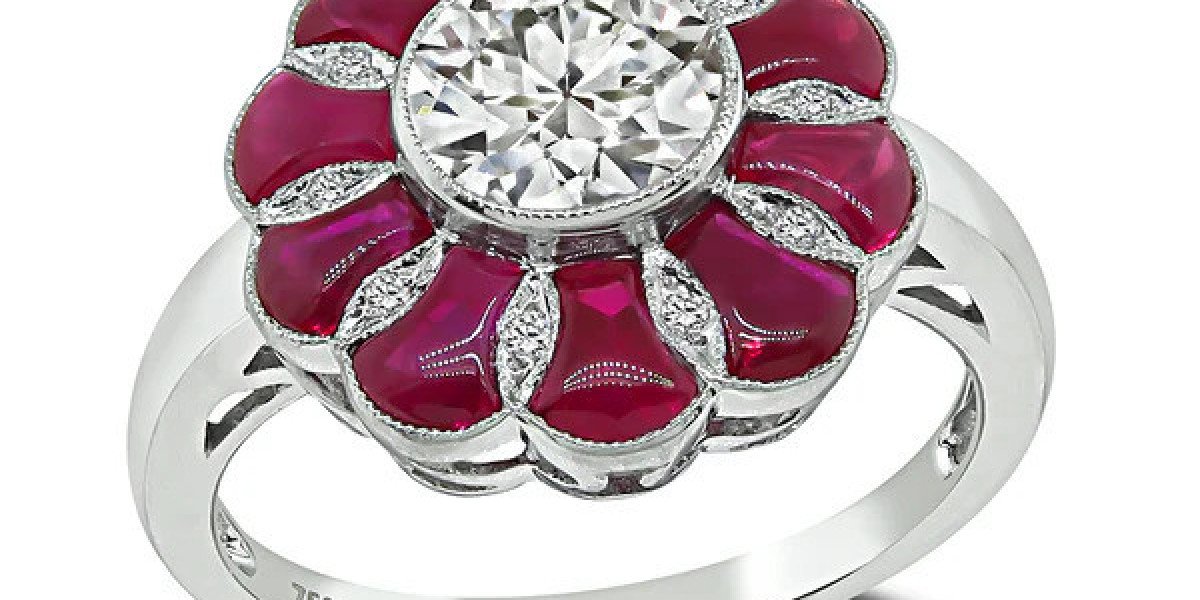

Antique Engagement Rings are experiencing a remarkable revival as modern couples seek jewelry that carries depth, character, and authenticity. In a world dominated by fast trends and mass production, these historic pieces offer something rare: permanence. They represent artistry from another time, crafted with intention and designed to last generations. Today’s buyers are rediscovering the emotional and aesthetic value of antique jewelry, making it a powerful alternative to newly manufactured rings.
A Shift Away from Mass Production
Modern jewelry markets are saturated with designs that often look identical. While technology has made production faster and cheaper, it has also removed much of the individuality that once defined fine jewelry. Antique pieces stand in contrast to this uniformity. Each ring was created by hand, shaped by an artisan who invested time and skill into every detail. The slight irregularities and handcrafted finishes are not flaws — they are proof of authenticity.
Couples today increasingly want symbols of commitment that feel personal rather than generic. Antique jewelry answers this desire by offering designs that cannot be replicated on an assembly line. The uniqueness of these rings aligns perfectly with a generation that values originality and storytelling.
A Connection to History and Romance
One of the strongest appeals of antique jewelry is its connection to the past. These rings have lived previous lives. They may have witnessed engagements, anniversaries, and family milestones long before reaching their current owner. Wearing a historical piece creates a sense of continuity, as if love stories are layered across time.
Different historical eras brought distinct artistic influences. Victorian designs emphasized symbolism and romance, Edwardian pieces showcased delicate lace-like metalwork, and Art Deco rings introduced bold geometry and symmetry. Each period reflects the cultural values and artistic priorities of its time. Choosing an antique ring is not just a style decision — it is a way of carrying history into the present.
Sustainability and Ethical Awareness
Modern buyers are more environmentally conscious than ever before. Jewelry production often requires mining, heavy energy use, and global transportation. By choosing antique pieces, consumers reduce the demand for newly extracted materials and extend the life cycle of existing treasures. This makes antique jewelry an inherently sustainable option.
Ethical sourcing has also become a significant concern in the diamond and gemstone industry. Antique rings predate many of today’s supply chain complexities, allowing buyers to bypass some of the ethical dilemmas associated with modern mining. The appeal lies not only in beauty but in responsible ownership.
Craftsmanship That Endures
Antique rings were created in an era when jewelry was meant to last forever. High-quality metals, hand-set stones, and meticulous engraving techniques ensured durability. Many pieces have survived a century or more while retaining structural integrity and brilliance. This longevity is a testament to the superior craftsmanship of earlier jewelers.
Modern manufacturing often prioritizes efficiency over endurance. Antique rings remind buyers that true luxury lies in skill and patience. The intricate filigree, milgrain detailing, and hand-carved settings are difficult to replicate today without significant cost. Owning such a ring means preserving a form of artistry that is gradually disappearing.
The Emotional Value of Heirloom Jewelry
Antique jewelry carries emotional weight. Even when a ring is not originally part of a buyer’s family, it still holds the energy of its past. Many couples are drawn to the idea of continuing a story that began generations ago. Over time, the ring becomes part of their own family narrative, eventually transforming into a future heirloom.
This emotional dimension adds depth to the engagement experience. The ring is no longer just a purchase; it becomes a symbol of continuity, linking past, present, and future. In an age where many possessions are disposable, heirloom jewelry stands as a reminder of permanence.
Aesthetic Individuality in a Trend-Driven World
Fashion cycles move quickly, but antique designs exist outside of trends. Their beauty is rooted in proportion, craftsmanship, and timeless artistry rather than seasonal popularity. This makes them remarkably adaptable to modern style. A century-old ring can feel surprisingly contemporary when paired with minimalist fashion or modern settings.
Younger generations are particularly drawn to this contrast. The blend of historical elegance and current styling creates a look that feels intentional and distinctive. Instead of chasing trends, antique jewelry allows wearers to define their own aesthetic identity.
Restoration and Preservation
The revival of antique jewelry has also fueled interest in restoration. Skilled jewelers specialize in preserving original features while strengthening the piece for everyday wear. Restoration is approached with respect for authenticity; the goal is not to modernize the ring but to maintain its original spirit.
This process ensures that antique rings remain functional while honoring their heritage. It also highlights the collaborative relationship between past and present artisans. Modern craftspeople become caretakers of historical work, ensuring its survival for future generations.
Investment and Lasting Value
Beyond emotional and aesthetic appeal, antique jewelry often retains or increases its value over time. Because these pieces are finite — no more will ever be made — they carry rarity. Collectors recognize this scarcity, making antique rings attractive both as personal treasures and as investments.
Unlike many modern luxury goods that depreciate quickly, antique jewelry benefits from historical significance and craftsmanship. Its value is tied not only to materials but to cultural and artistic heritage.
Why the Comeback Matters
The resurgence of antique engagement jewelry reflects a broader cultural shift. People are moving away from disposable consumption and toward meaningful ownership. They want objects that tell stories, preserve craftsmanship, and carry emotional resonance. Antique rings satisfy all of these desires at once.
This comeback is not merely a trend — it is a rediscovery of values that prioritize artistry, sustainability, and heritage. Couples choosing antique pieces are making a statement about what they believe love should represent: continuity, depth, and timeless beauty.
A Modern Love Story Rooted in the Past
The growing popularity of antique engagement jewelry shows that modern romance does not reject the past; it embraces it. These rings remind us that love is part of a long human tradition, expressed through symbols that endure across generations. Their revival proves that craftsmanship and history still hold power in a contemporary world.
By choosing a ring with history, couples are not looking backward — they are building forward on a foundation of artistry and memory. The modern comeback of antique engagement jewelry is ultimately about honoring permanence in an era of change, and celebrating the idea that some things are meant to last forever.