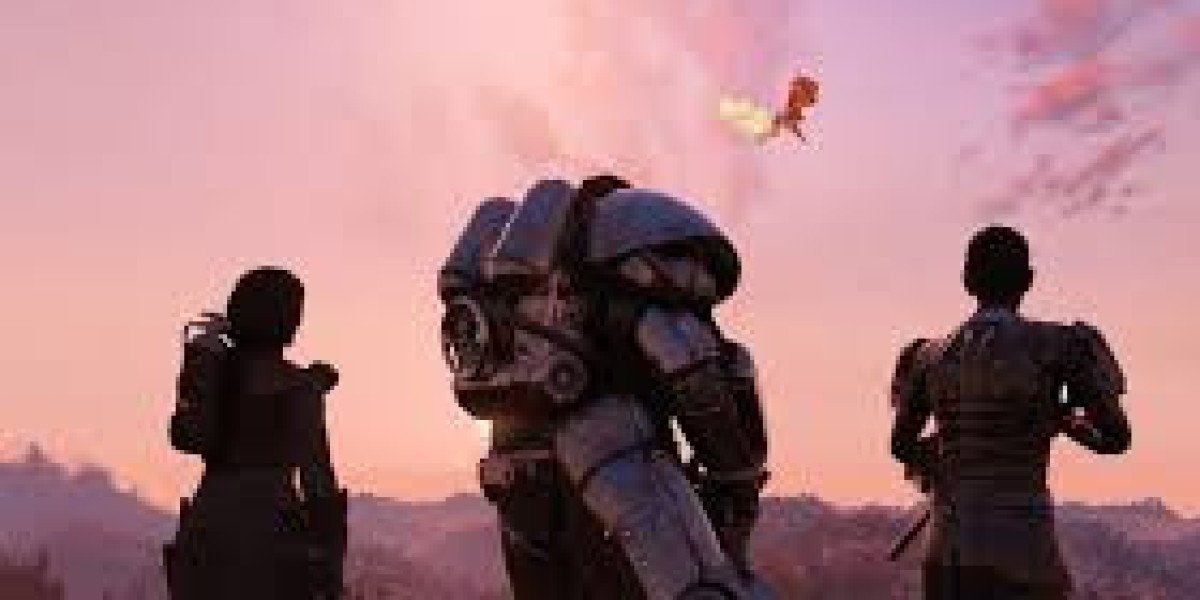

Fallout 76 presents a post-apocalyptic setting that feels less like the end of the world and more like the uncertain beginning of something new. Set in the hills and valleys of Appalachia after nuclear disaster, the game places players into a land that is quiet, dangerous, and unfinished. Rather than arriving after societies have already rebuilt, players step into a fragile moment where survival, exploration, and cooperation slowly shape the future.
The open world is a central part of the experience. Appalachia is expansive and diverse, featuring forests that have overtaken roads, towns frozen in time, and industrial sites damaged by radiation. Exploration is encouraged through environmental detail rather than constant guidance. Players often discover stories through ruined homes, abandoned camps, and scattered personal belongings. These subtle elements give the landscape emotional depth and make each journey feel purposeful.
Survival systems define daily life in the wasteland. Players must manage food, water, equipment durability, and exposure to radiation. These mechanics add tension, especially in the early stages, when resources are limited and threats feel overwhelming. Over time, survival becomes a learned routine rather than a constant struggle. This progression from vulnerability to confidence mirrors the theme of adaptation and resilience that runs throughout the game.
Combat supports a wide range of playstyles, allowing players to shape their characters according to preference rather than strict roles. Whether favoring direct combat, tactical positioning, or defensive strategies, character progression remains flexible. Early choices are not permanent, encouraging experimentation and reducing frustration. This design supports long-term engagement and reflects the idea that survival is an evolving process.
A defining feature of Fallout 76 is its shared world. Other players exist naturally within the same environment, creating opportunities for cooperation without forcing constant interaction. Public events encourage teamwork against larger threats, while quieter moments may involve trading supplies or offering help to strangers. These interactions add a human presence to the wasteland, making it feel less empty and more alive.
Player-built camps further strengthen this sense of community. Camps serve as personal shelters, crafting hubs, and creative spaces where players can leave a visible mark on the world. Some camps focus on efficiency and defense, while others are designed to be welcoming or visually impressive. Spread across the landscape, these structures make Appalachia feel inhabited and constantly changing.
The evolving nature of the game also plays an important role in its identity. Regular updates and seasonal content introduce new challenges and story elements while building on existing systems. Familiar locations gain new meaning over time, reinforcing the idea that the world is slowly moving forward rather than standing still.
At its core, Fallout 76 is about persistence and shared effort. It presents a harsh environment shaped by disaster, yet filled with opportunity for growth and cooperation. Through exploration, survival mechanics, and multiplayer interaction, the game transforms a ruined land into a space where rebuilding feels possible. In doing so, it offers a vision of life after catastrophe that is defined not by loss alone, but by the determination to create something new.