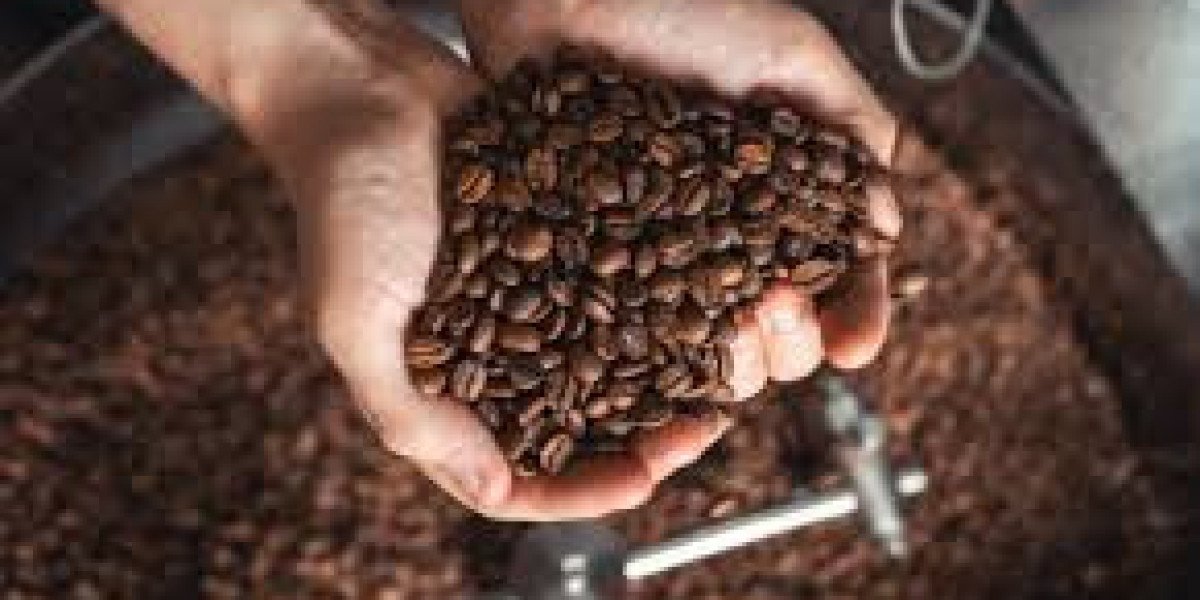

قهوة مختصة استثنائية (exceptional specialty coffee) represents the absolute peak of coffee quality. While all specialty coffee meets high standards, exceptional coffee transcends ordinary excellence through rare combinations of perfect growing conditions, expert cultivation, innovative processing, and masterful roasting. These coffees score 88+ points on the SCA scale and offer experiences impossible to find in standard specialty offerings.
What Makes Coffee Exceptional
Exceptional coffee combines multiple factors that rarely align simultaneously. Perfect genetics grown in ideal terroir, harvested at absolute peak ripeness, processed with innovation and expertise, sorted to zero-defect standards, and roasted by masters of their craft - when these elements converge, exceptional coffee results.
The rarity of this alignment explains why exceptional coffee represents tiny fractions of overall coffee production. Most coffee never achieves even specialty grade. Most specialty coffee rates 80-85 points. Coffee scoring 88+ is extraordinarily rare.
Exceptional coffee often comes from competition lots, micro-lots from privileged farm sections, or experimental processing applied to already-exceptional standard production. These coffees represent the bleeding edge of quality possibility.
Genetic Privilege in Exceptional Coffee
Certain varieties like Geisha possess genetic advantages for exceptional quality. These varieties developed unique flavor characteristics through natural selection in specific environments over centuries. When grown in appropriate conditions, they produce coffee unlike anything else.
Rare mutations occasionally create plants with exceptional characteristics. Pink Bourbon, for example, produces unique flavor profiles that distinguish it from standard Bourbon. These mutations appear randomly and propagate slowly, keeping them rare and valuable.
Heirloom varieties from Ethiopia offer genetic diversity found nowhere else. Some Ethiopian cultivars produce extraordinary coffee with characteristics impossible to replicate with commercial varieties planted elsewhere.
Terroir at Its Peak
Exceptional coffee grows in the most privileged locations. Not just high altitude, but specific mountainsides with perfect sun exposure, ideal soil composition, and microclimate conditions that create optimal growing environment.
These exceptional sites are limited and often already recognized for quality. Farms in regions like Geisha Village in Ethiopia, estates in Panama's Boquete region, or privileged plots in Colombian mountains produce coffee that commands exceptional recognition and pricing.
Volcanic soil contributes to exceptional quality through mineral composition that affects plant nutrition and flavor development. However, not all volcanic soil produces exceptional coffee. The specific mineral balance, drainage characteristics, and interaction with local climate determine results.
Cultivation Expertise for Exceptional Results
Exceptional coffee requires cultivation expertise that goes beyond standard good practices. Farmers producing exceptional coffee understand their land intimately and make nuanced decisions based on years or decades of observation.
Pruning strategies optimize sun exposure and air circulation for specific tree sections. Fertilization timing aligns with plant needs throughout the growing cycle. Selective branch removal directs plant energy toward producing fewer, higher-quality cherries rather than maximum volume.
These farmers often experiment with innovative approaches while respecting traditional wisdom. They might test new varieties in small sections, try different shade tree species, or adjust harvest timing based on weather patterns. This experimental mindset drives continuous improvement.
Peak Ripeness and Selective Harvest
Exceptional coffee demands harvest precision impossible in standard production. Cherries must be picked at absolute peak ripeness - not a day early or late. This narrow window requires experienced pickers who recognize subtle ripeness indicators.
Some exceptional lots come from single-day harvests when conditions aligned perfectly. Temperature, recent rainfall, and cherry development converged to create a brief moment of ideal ripeness across specific trees. Capturing this moment produces exceptional results.
Multiple-pass selective harvest remains standard for exceptional coffee. Pickers return to the same trees five or more times, taking only cherries that reached perfect ripeness since the last pass. This labor-intensive approach costs significantly but ensures quality.
Innovative Processing Creates Exceptional Character
Many exceptional coffees use processing innovations that create unique flavor profiles. Anaerobic fermentation in sealed tanks develops compounds impossible in traditional processing. The oxygen-free environment encourages specific microorganisms that produce distinctive flavors.
Extended fermentation periods of 48-120 hours create intense fruit character and complexity. However, this approach requires careful monitoring to avoid crossing into defect territory. The line between exceptional and ruined can be very thin.
Carbonic maceration, adapted from wine production, creates unique flavor profiles that some consider exceptional and others find too unusual. This polarization itself indicates these coffees push boundaries of what coffee can be.
Koji fermentation, using the same fungus employed in sake production, represents cutting-edge processing experimentation. The results offer completely novel flavor experiences that redefine exceptional coffee possibilities.
Zero-Defect Sorting Standards
Exceptional coffee undergoes sorting that eliminates all defects, even minor ones tolerated in standard specialty coffee. This requires multiple passes using different technologies and ultimately human inspection.
Density sorting via water channels or specialized equipment separates beans by weight. Denser beans developed more completely and possess better flavor potential. This initial sorting removes obvious problems.
Electronic color sorting identifies discolored beans indicating defects. Advanced systems can detect subtle color variations invisible to human eyes, removing beans that would negatively impact the cup.
Final hand-sorting provides ultimate quality control. Trained sorters examine beans individually, removing anything questionable. Some exceptional lots undergo multiple hand-sorting passes to achieve perfection.
Competition Recognition and Validation
Many exceptional coffees earn recognition through competitions like Cup of Excellence. These competitions use blind cupping by certified judges, providing objective validation of exceptional quality.
Coffees scoring 90+ points in competition represent the top tier of exceptional quality. These lots often auction for hundreds of dollars per pound, reflecting the rarity and exceptional character that judges recognized.
Competition success validates farmer and processor expertise. Winning demonstrates their methods produce verifiable exceptional results rather than merely personal opinion. This recognition often leads to lasting reputation and market access.
Roasting Exceptional Coffee
Exceptional green coffee requires roasting expertise that matches the quality potential. Roasters approach these coffees with care, developing profiles that highlight unique characteristics while avoiding any missteps that could diminish quality.
Light to medium roasts typically suit exceptional coffee best. These roast levels preserve the origin characteristics and processing innovations that made the coffee exceptional. Dark roasting would obscure the unique qualities justifying the premium.
Sample roasting precedes production, with roasters testing multiple profiles to identify the approach that best showcases the coffee. They might roast several batches at different development levels, cupping each to select the winner.
During production roasting, exceptional coffee receives constant attention. Roasters monitor visual cues, aroma development, and temperature curves, adjusting heat application to achieve the developed profile precisely.
The Exceptional Coffee Experience
Brewing exceptional coffee requires equipment and technique matching the coffee's quality level. Poor brewing wastes the potential that makes exceptional coffee special. Every variable must be controlled - grind consistency, water quality, temperature, ratio, and technique.
High-quality burr grinders become essential rather than optional. Exceptional coffee reveals equipment limitations that go unnoticed with standard coffee. Grind inconsistency that's merely problematic in regular coffee becomes unacceptable with exceptional coffee.
Water quality matters tremendously. Filtered water with balanced mineral content extracts the complex flavors that define exceptional coffee. Poor water quality masks or distorts these characteristics, wasting the coffee's potential.
Brewing technique must be precise. Weigh coffee and water accurately. Control temperature carefully. Time extraction properly. Follow proven recipes rather than approximating. Exceptional coffee rewards precision with extraordinary results.
Tasting and Appreciating Exceptional Coffee
Exceptional coffee tastes distinctly different from standard specialty coffee. The complexity, clarity, and intensity of flavors are immediately apparent. Multiple distinct flavor notes present clearly without muddy confusion.
The finish extends pleasantly, sometimes for minutes after swallowing. New flavors emerge as coffee cools, revealing layers of complexity that continue surprising throughout the cup. This evolution demonstrates the coffee's depth.
Balance characterizes exceptional coffee even when flavors are intense. Acidity, sweetness, and body work together harmoniously. No single element dominates inappropriately or creates discord with other characteristics.
Cleanliness defines exceptional coffee. The cup is free from defects, processing errors, or off-flavors. Every taste confirms quality rather than introducing concerns about problems.
The Economics of Exceptional Coffee
Exceptional coffee commands premium pricing - often $40-150+ per pound compared to $15-25 for standard specialty coffee. This reflects the rarity, risk, and investment required to produce exceptional quality.
Limited production means supply can't meet demand at lower prices. Competition lots might represent only a few hundred pounds total. Micro-lots from exceptional farm sections produce small quantities. Scarcity drives pricing in market economy.
The investment throughout the supply chain justifies premium pricing. Farmers bear risk of experimental processing that might fail. Processors invest labor in intensive sorting and careful drying. Roasters purchase expensive green coffee and dedicate attention to proper roasting. Each participant deserves fair compensation.
For consumers, exceptional coffee provides experiences unavailable at any lower price point. The unique flavors, complexity, and quality represent the pinnacle of what coffee can be. Those seeking ultimate coffee experiences find exceptional coffee worth the investment.
When Exceptional Coffee Makes Sense
Exceptional coffee isn't for everyone or every occasion. Daily coffee consumption might not justify exceptional pricing. However, exceptional coffee provides value in specific contexts.
Special occasions deserve exceptional coffee. Celebrating achievements, hosting important guests, or marking meaningful moments with exceptional coffee creates memorable experiences worth the investment.
Learning and education benefit from exceptional coffee. Tasting these coffees teaches what quality means at the highest level. The experience calibrates your palate and demonstrates what's possible in coffee quality.
Exploration and discovery motivate exceptional coffee purchases for enthusiasts. Trying rare varieties, innovative processing methods, or competition-winning lots expands understanding and appreciation of coffee's diversity.
Comparison purposes make exceptional coffee valuable. Tasting exceptional coffee alongside standard specialty coffee reveals the differences that justify premium pricing. This comparison helps you decide whether exceptional coffee suits your preferences and budget.
Building Exceptional Coffee Knowledge
Developing ability to appreciate exceptional coffee requires experience and education. Start by trying coffees from reputable competition lots or well-regarded micro-lots. Take notes on what makes them distinctive.
Attend professional cuppings if possible. Many roasters hold events where you can taste exceptional coffees alongside standard offerings. The direct comparison reveals differences that might be subtle when tasting exceptional coffee alone.
Read about the coffees you try. Understanding the variety, processing method, and farm background helps you connect what you taste to the factors creating those characteristics. This knowledge enhances appreciation.
Practice mindful tasting rather than casual drinking. Pay attention to aroma, flavor, body, acidity, and finish. Notice how flavors evolve as coffee cools. This focused attention reveals complexity that passive drinking misses.
Preserving Exceptional Coffee Quality
Exceptional coffee deserves storage that preserves its quality. Use airtight, opaque containers sized appropriately for the quantity. Excessive empty space in containers means more oxygen exposure.
Store in cool, dark locations away from heat sources, sunlight, and strong odors. Temperature stability matters more than absolute temperature. Fluctuations cause condensation that damages coffee.
Buy quantities you'll consume within two to three weeks. Even exceptional coffee declines with time. The premium you paid deserves consumption during peak freshness when the coffee expresses its full potential.
Grind immediately before brewing. Pre-grinding exceptional coffee wastes much of what makes it special. The aromatics and volatile compounds that define exceptional character dissipate rapidly once coffee is ground.
The Future of Exceptional Coffee
Innovation continues pushing boundaries of what exceptional means. Experimental processing methods, new varieties, and improved cultivation techniques create ever-more-impressive coffees.
Climate change threatens traditional exceptional coffee regions while potentially opening new areas. Farmers adapt through resilient varieties, adjusted practices, and exploration of new growing areas at higher elevations.
Technology assists exceptional coffee production through better monitoring, precision agriculture, and quality control tools. However, human expertise and decision-making remain central to achieving exceptional results.
Market demand for exceptional coffee grows as more consumers appreciate quality and are willing to pay accordingly. This demand provides economic incentive for continued innovation and quality improvement throughout the supply chain.
Exceptional Coffee as Investment in Quality
Purchasing exceptional coffee represents investment in quality, craftsmanship, and agricultural sustainability. The premium pricing supports farmers earning fair compensation, encourages innovation, and preserves coffee-growing traditions.
This investment delivers returns through extraordinary sensory experiences, expanded knowledge, and participation in the highest expression of coffee as specialty product. For those who value quality and appreciate craftsmanship, exceptional coffee provides meaning beyond mere consumption.
The journey from ordinary coffee to exceptional coffee transforms understanding of what coffee can be. Each exceptional cup demonstrates the potential achieved when every factor aligns perfectly and skilled craftspeople dedicate themselves to quality.
Ultimately, exceptional specialty coffee exists because some farmers, processors, and roasters refuse to accept "good enough." They pursue excellence relentlessly, taking risks and investing resources to create something truly special. When you brew exceptional coffee, you're experiencing the results of this dedication and becoming part of the story these coffees tell.