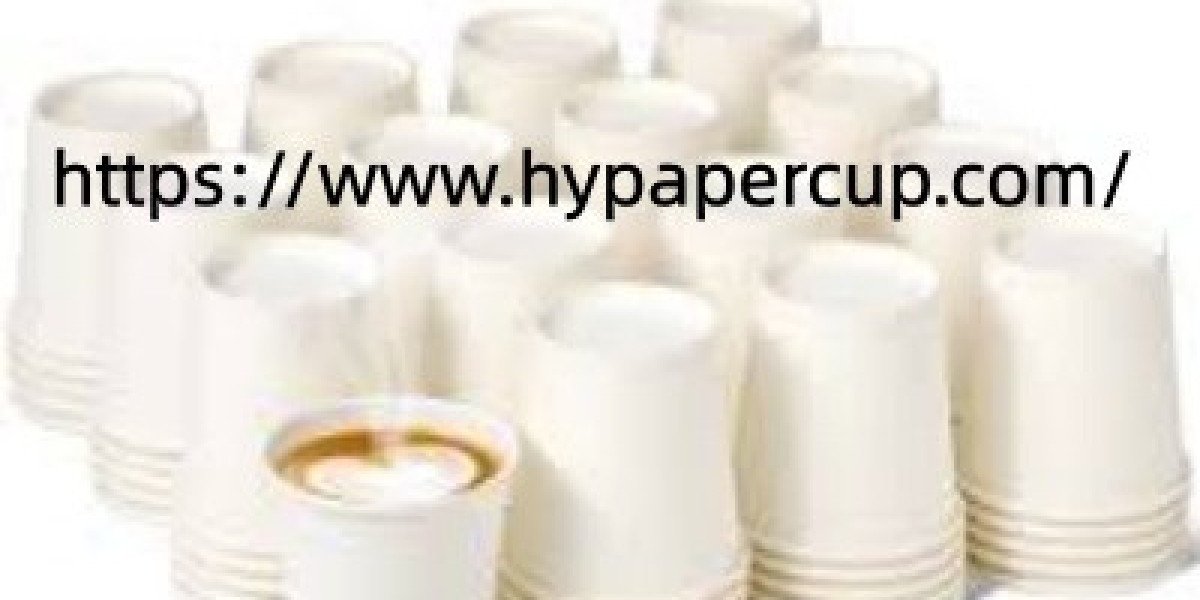

Disposable Paper Cup production relies heavily on coating systems that define how each container behaves when in contact with liquids. These coatings are applied to fiber based structures to create a protective barrier that controls absorption, maintains shape, and supports safe handling during beverage service. Without these layers, the base material would quickly lose stability when exposed to moisture or heat. For this reason, coating selection plays a central role in manufacturing decisions.
One widely used approach is polymer lining, which forms a thin protective layer inside the container. This layer helps prevent liquid penetration and supports structural integrity during both hot and cold beverage use. It is commonly applied in high volume production because it offers stable performance across different usage conditions. Another approach involves water based dispersion systems, which create a similar protective effect while allowing flexibility in processing and application methods.
A different category includes bio based coating materials. These options are developed from renewable sources and are used in production environments where material sourcing is an important consideration. Their performance depends on formulation and application technique, and they are often selected for specific beverage scenarios rather than universal use. These coatings aim to balance functional requirements with evolving material preferences in packaging systems.
Wax based coating methods are also used in certain applications. These coatings provide moisture resistance through surface sealing and are typically applied in cold beverage packaging or short duration use cases. While they are less common in high heat environments, they can still serve practical roles where liquid exposure is limited. Proper application is important to ensure even coverage and consistent performance.
The differences between coating options are mainly related to heat response, sealing behavior, and structural stability. Some coatings maintain firmness under high temperature conditions, while others perform more steadily in cooler environments. Manufacturers evaluate these differences carefully when selecting materials for production lines, ensuring that each product category matches its intended use.
Surface interaction is another important factor influenced by coating type. The outer layer affects printing clarity, ink adhesion, and overall visual consistency. This is important in commercial beverage packaging where branding appearance plays a role in customer recognition. Coating texture can also influence tactile experience, which is considered during product development and testing phases.
In production practice, hypapercup focuses on aligning coating selection with fiber structure and forming processes. This helps maintain consistent product behavior across different production batches while allowing adaptation to varying beverage requirements. Material coordination across layers supports both functional stability and production efficiency.
As packaging requirements continue to evolve, coating technology remains a key factor in improving usability and reliability. Manufacturers continue to refine material combinations to support practical beverage service needs across different environments.
Additional product and material details can be viewed at https://www.hypapercup.com/product/ where available options and specifications are presented for reference.