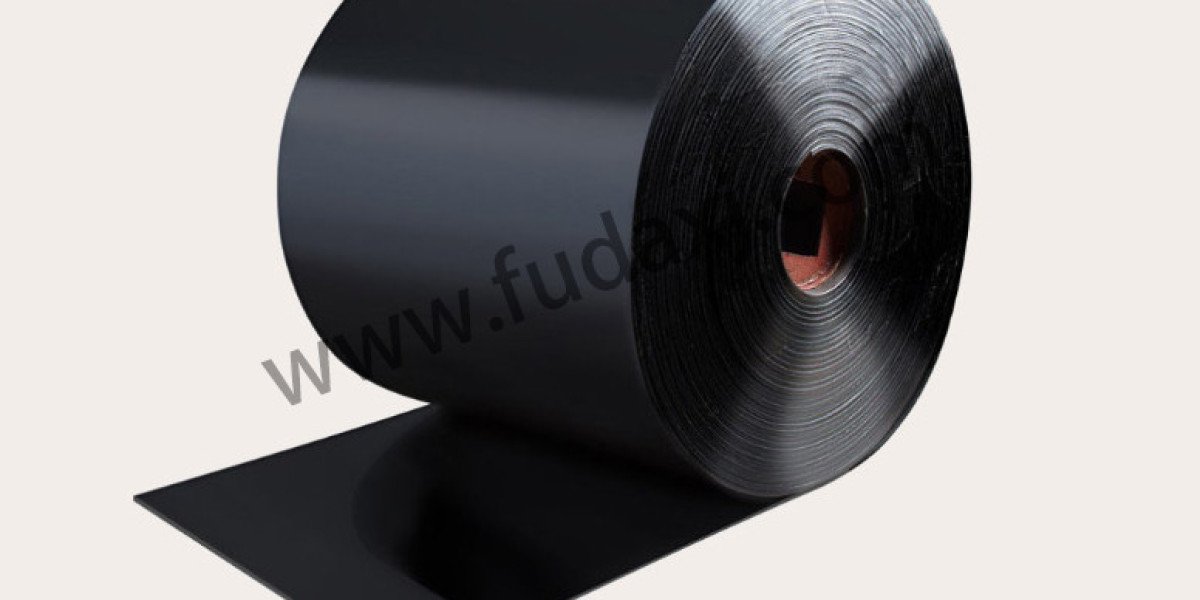

Heat-heavy production environments place unusual stress on conveyor systems. Materials fresh from ovens, furnaces, or drying chambers continue releasing heat during transport, and that constant exposure can shorten the life of ordinary belts surprisingly quickly. A high temperature conveyor belt is designed specifically for these conditions, allowing factories to move heated products safely and steadily without frequent shutdowns caused by belt failure.
The operating environment plays a huge role in conveyor performance. In brick manufacturing, belts may carry abrasive materials coated in hot dust. In food processing, conveyor systems move baked products through long heating tunnels. In recycling facilities, shredded metal or treated waste can remain extremely warm even after cooling stages. Each situation requires a different balance between heat resistance, flexibility, and mechanical strength.
One important factor is the belt’s internal reinforcement. Polyester fabrics are common in moderate-temperature systems, but fiberglass or steel mesh structures are often preferred in hotter applications. These reinforcements help reduce stretching and deformation when the conveyor operates continuously near heating equipment. Without proper support layers, belts may lose alignment or develop uneven tension after long production cycles.
Air circulation around the system matters too. Heat trapped beneath a conveyor can gradually damage rollers, bearings, and support frames. Some facilities add cooling fans or ventilation channels beneath the belt to reduce heat buildup. Others redesign transfer points so materials spend less time concentrated in one area. Even small airflow improvements can extend equipment life and reduce maintenance interruptions.
A high temperature conveyor belt also influences workplace safety. Heated products moving across unstable or damaged belts increase the risk of spills, burns, or equipment jams. Stable conveying systems help maintain smoother production flow and reduce sudden interruptions around high-heat machinery.