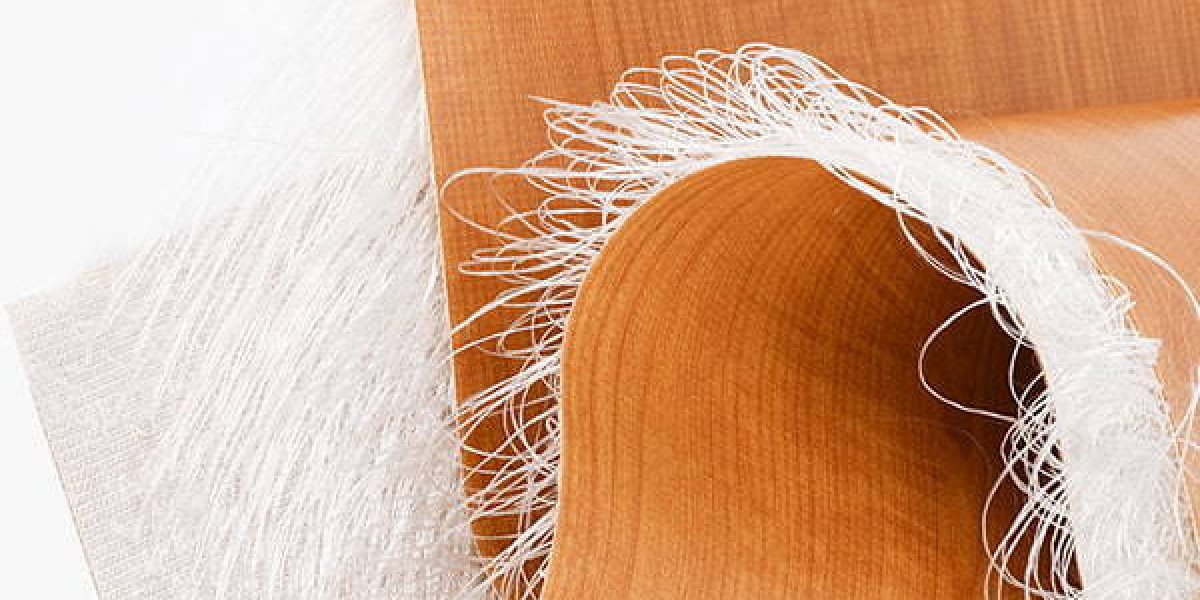

Outdoor and industrial sectors require materials that excel in extreme cold, where the Double Wall Fabricstands out by creating a trapped air layer between its dual woven surfaces, significantly reducing convective heat loss and providing effective thermal barriers against sub-zero temperatures. This spacer construction, typically achieved with drop-stitch yarns connecting the inner and outer layers, maintains a consistent gap that acts as an insulator, similar to double-glazed windows but in a flexible textile form, allowing for substantial energy retention without adding excessive bulk or weight.
The insulation mechanism relies on the low thermal conductivity of still air within the interlayer, which can be optimized by adjusting the fabric's thickness from 3mm to 20mm or more, depending on the yarn density and drop patterns used. Polyester or nylon bases ensure the material remains pliable at low temperatures, avoiding brittleness that plagues single-layer fabrics in freezing conditions. Additional enhancements include reflective coatings on the inner surface to radiate heat back toward the user, further improving warmth retention during static exposure.
Moisture management is integral to cold-weather performance, as the breathable channels in double wall fabrics permit vapor escape from perspiration, preventing chilling from internal condensation. Outer layers can incorporate dense weaves or fluorocarbon finishes for windproofing, blocking penetrating gusts that accelerate heat loss through the wind chill effect. The fabric's compressive strength allows it to maintain its insulating air pocket even under load, such as when packed in gear or worn under pressure.
Manufacturing for enhanced insulation involves specialized knitting machines that precisely control the connecting pile heights, often using computer-aided designs to vary density for zoned performance—thicker in core areas for maximum warmth and thinner at edges for flexibility. Post-production, the fabric undergoes brushing or napping on inner surfaces to create soft, heat-trapping fuzz, while outer treatments like silicone sprays add water repellency without sealing pores. Dyeing processes use sublimation for vibrant colors that penetrate both layers, ensuring fade resistance in harsh sunlight or abrasive conditions.
Testing protocols include thermal resistance measurements via guarded hot plate methods, confirming R-values superior to comparable single fabrics, alongside cyclic compression tests to simulate real-world packing and unfolding. Environmental simulations expose samples to freeze-thaw cycles, verifying no delamination or loss of loft over time.
In arctic exploration gear, double wall fabrics form the core of insulated jackets and pants, layering with shells for expedition-grade protection that supports mobility in deep snow. Sleeping pads and bivouac sacks utilize inflatable variants where the structure holds air under body weight, providing ground insulation for overnight camps.
Industrial cold storage facilities employ these fabrics in worker suits and curtain dividers, maintaining dexterity while shielding from refrigerated environments. Emergency response blankets and shelters incorporate lightweight versions for rapid deployment in disaster zones facing winter conditions.
Military applications include tent liners and vehicle covers that retain heat in forward operating bases, combining insulation with camouflage printing for tactical advantage.Shanghai Ming Shida International Trade Co., known for advanced PVC-based textiles including drop-stitch variants, offers double wall fabrics engineered for superior cold-weather insulation. Learn more about their multifunctional options at https://www.shanghaimsd.com/news/why-is-double-wall-fabric-an-ideal-choice-for-multiple-applications.html .